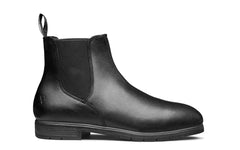
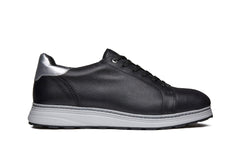

Work Boots for Women
Work boots, made for women.
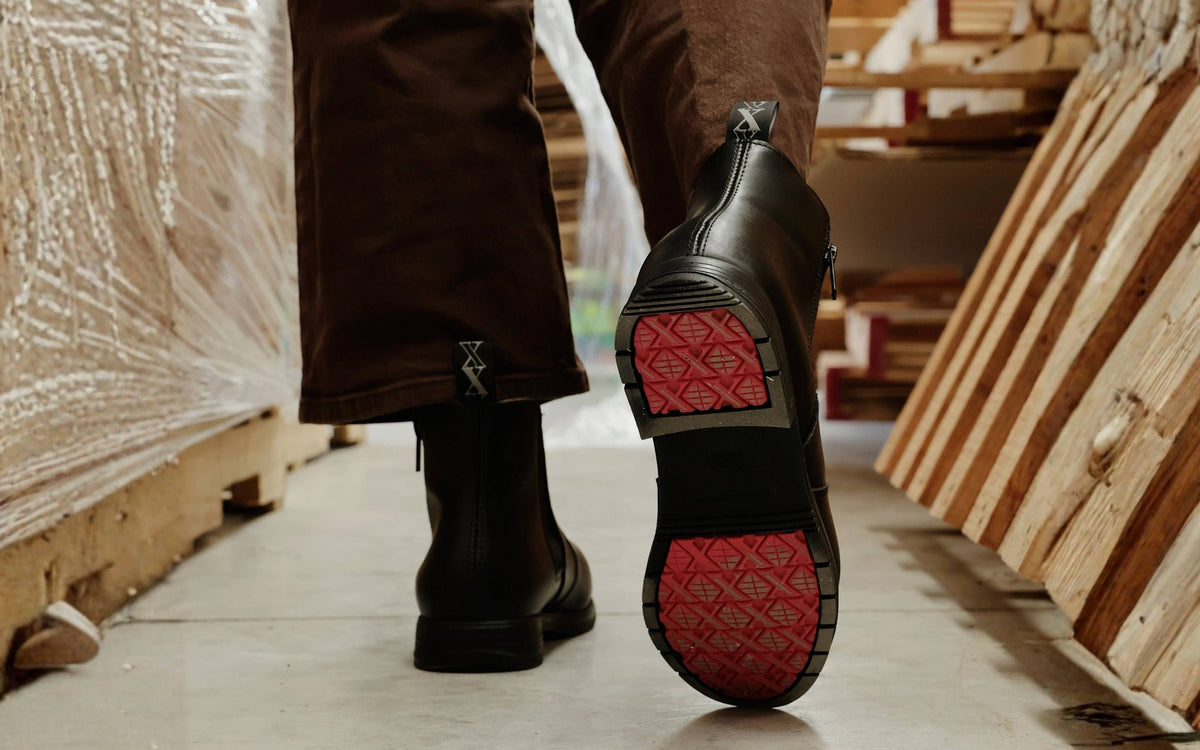
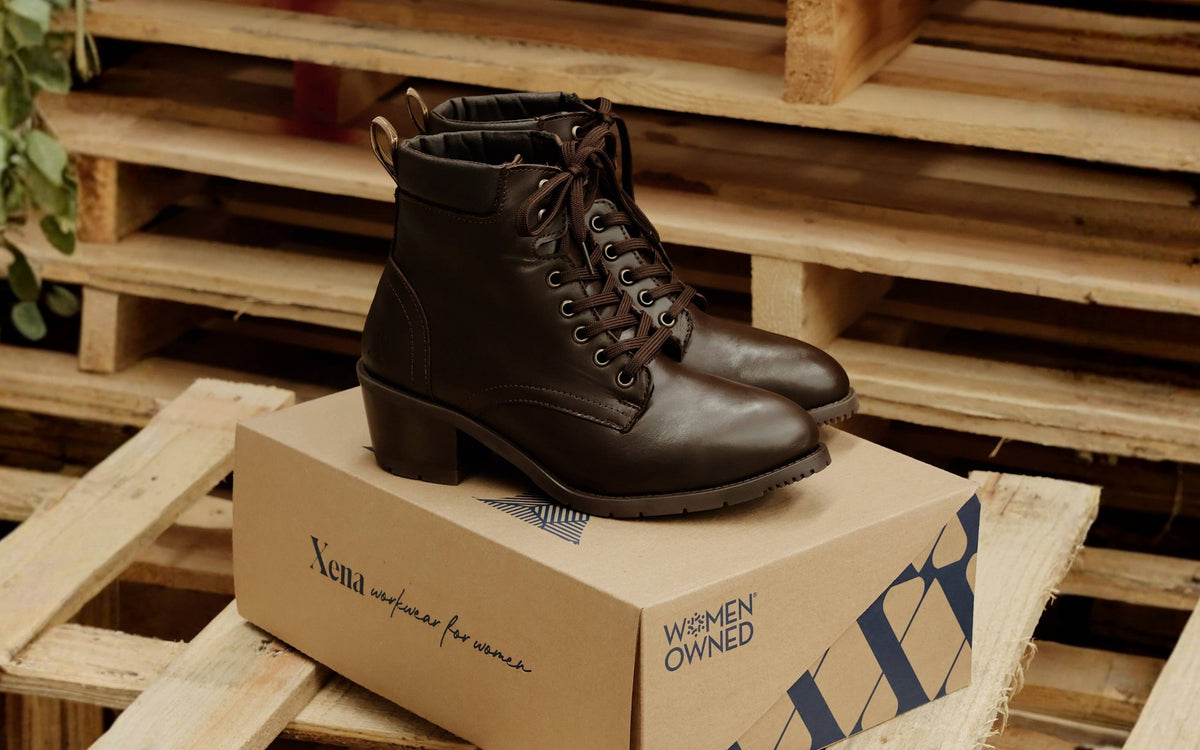
Not unisex, not a downsized men’s boot — every Xena work boot is engineered on a women’s last for a fit that holds your heel and supports your arch. Steel, composite, and alloy toes; electrical-hazard, slip-, puncture-, and waterproof options; all ASTM F2413-certified and backed by a 365-day warranty.
Work boots, made for women.
Engineered on a women’s last — every toe type and rating, ASTM F2413-certified. A fit that holds, not a downsized men’s boot.
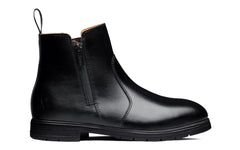
Luna
(Comp Toe)

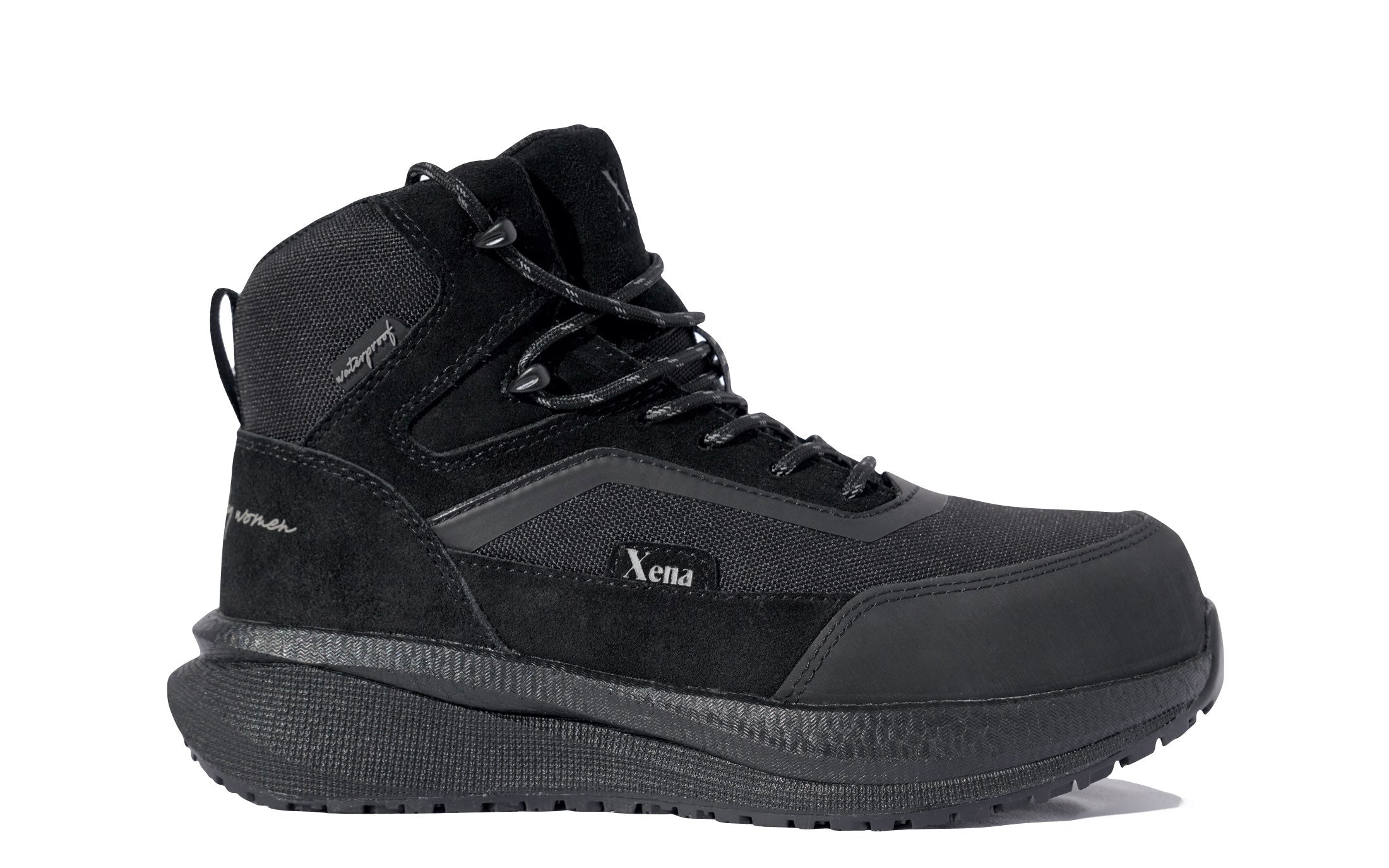

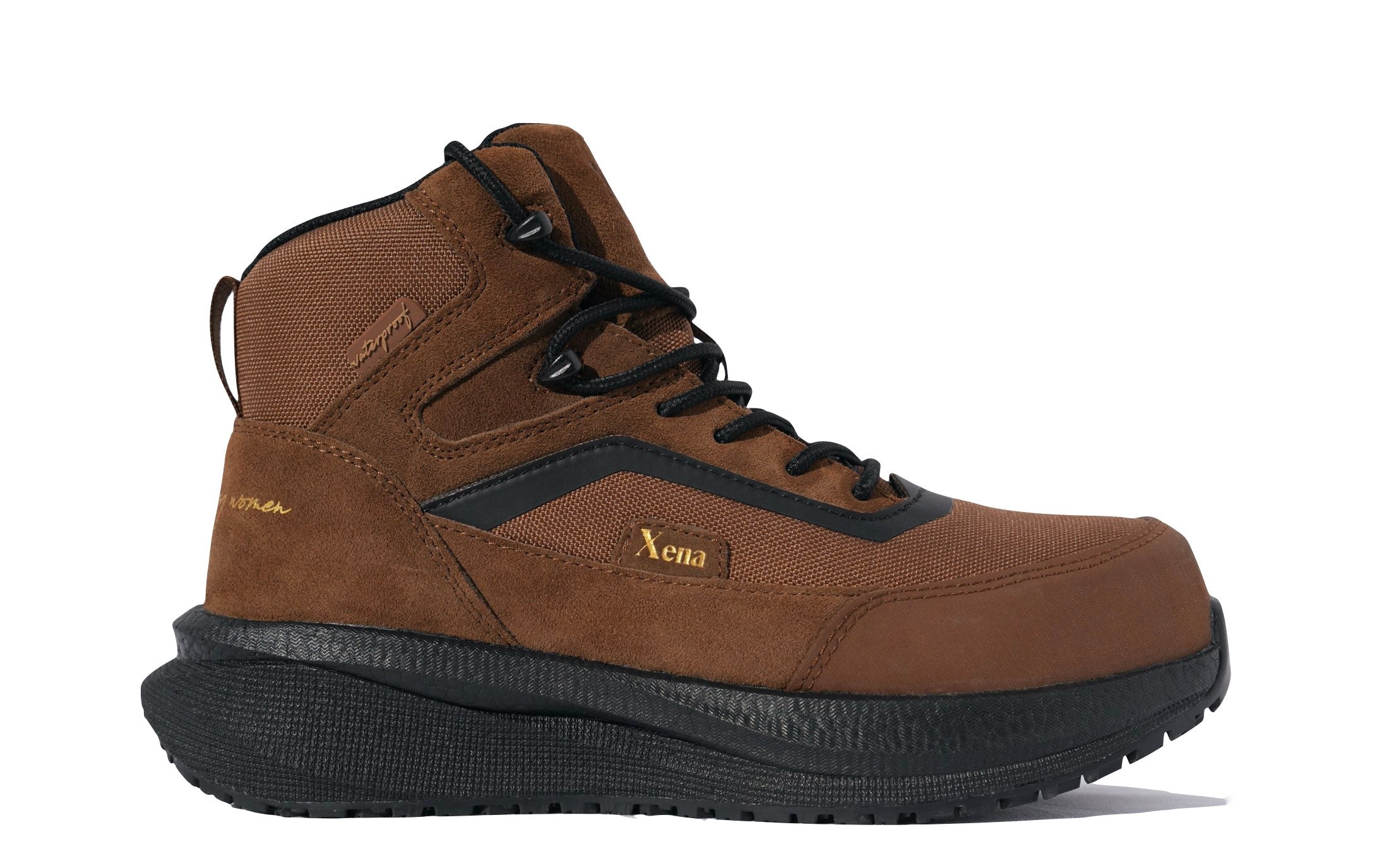

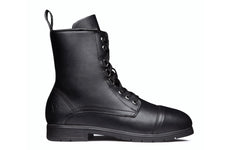
Omega
(Steel Toe)

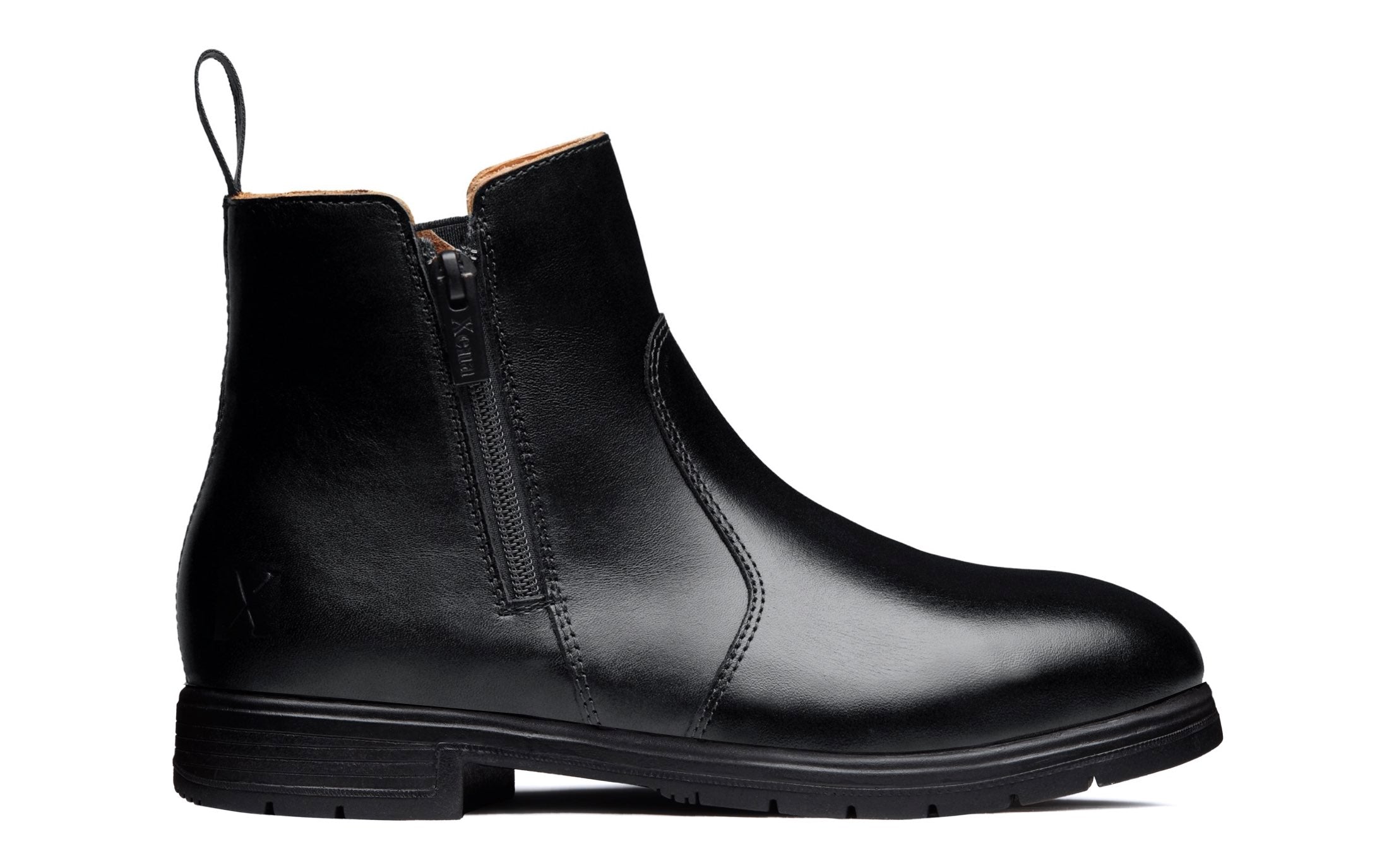

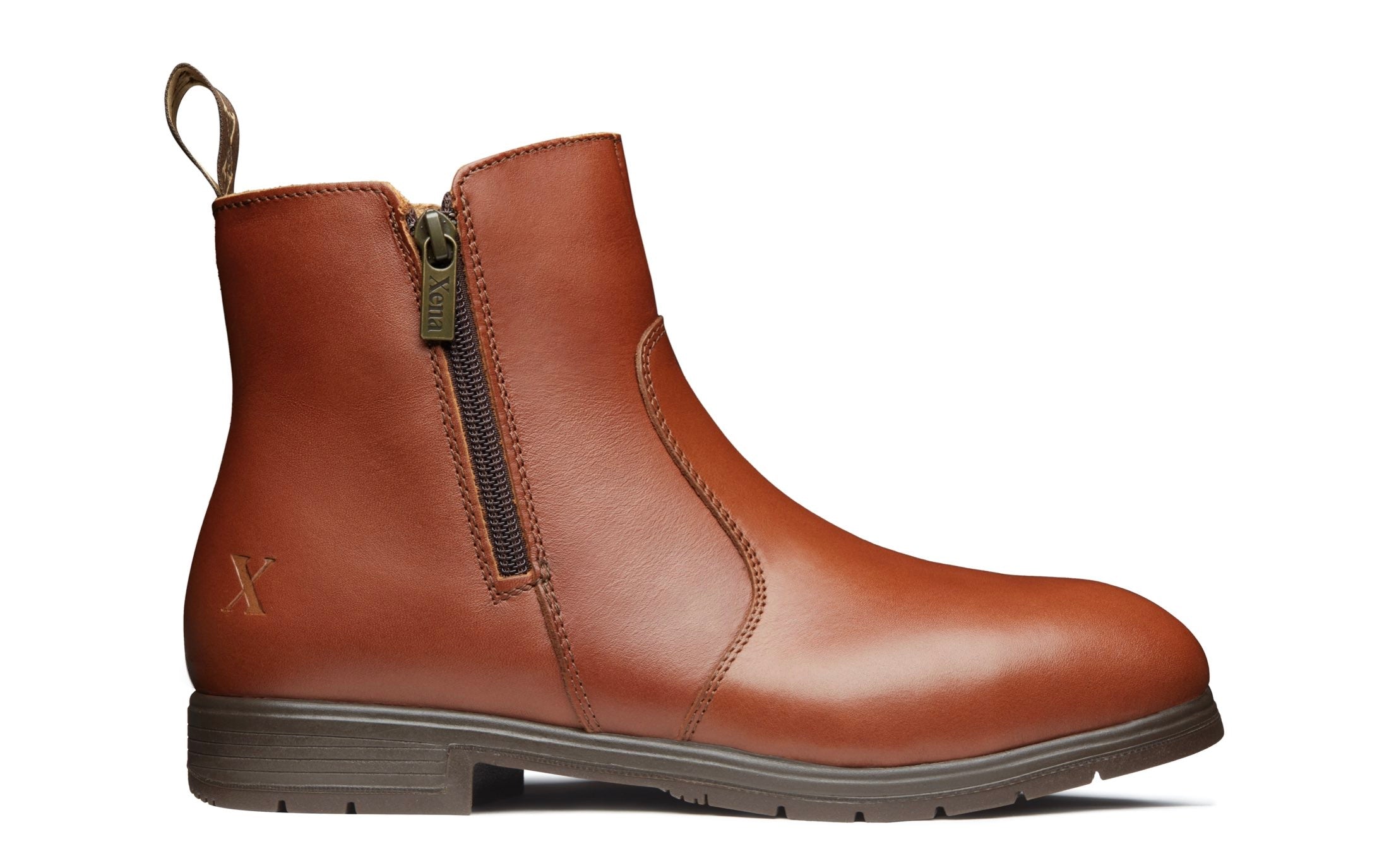

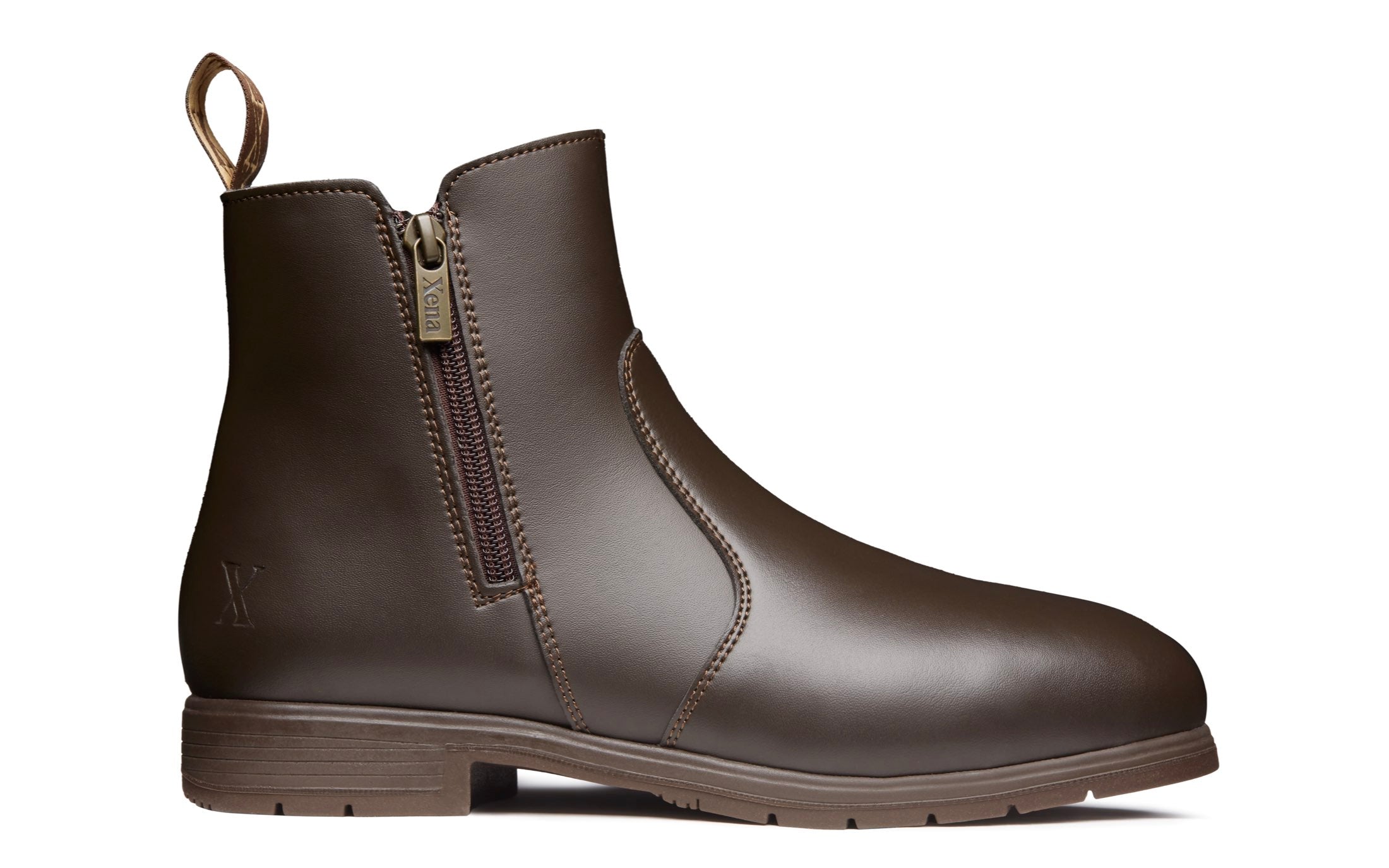

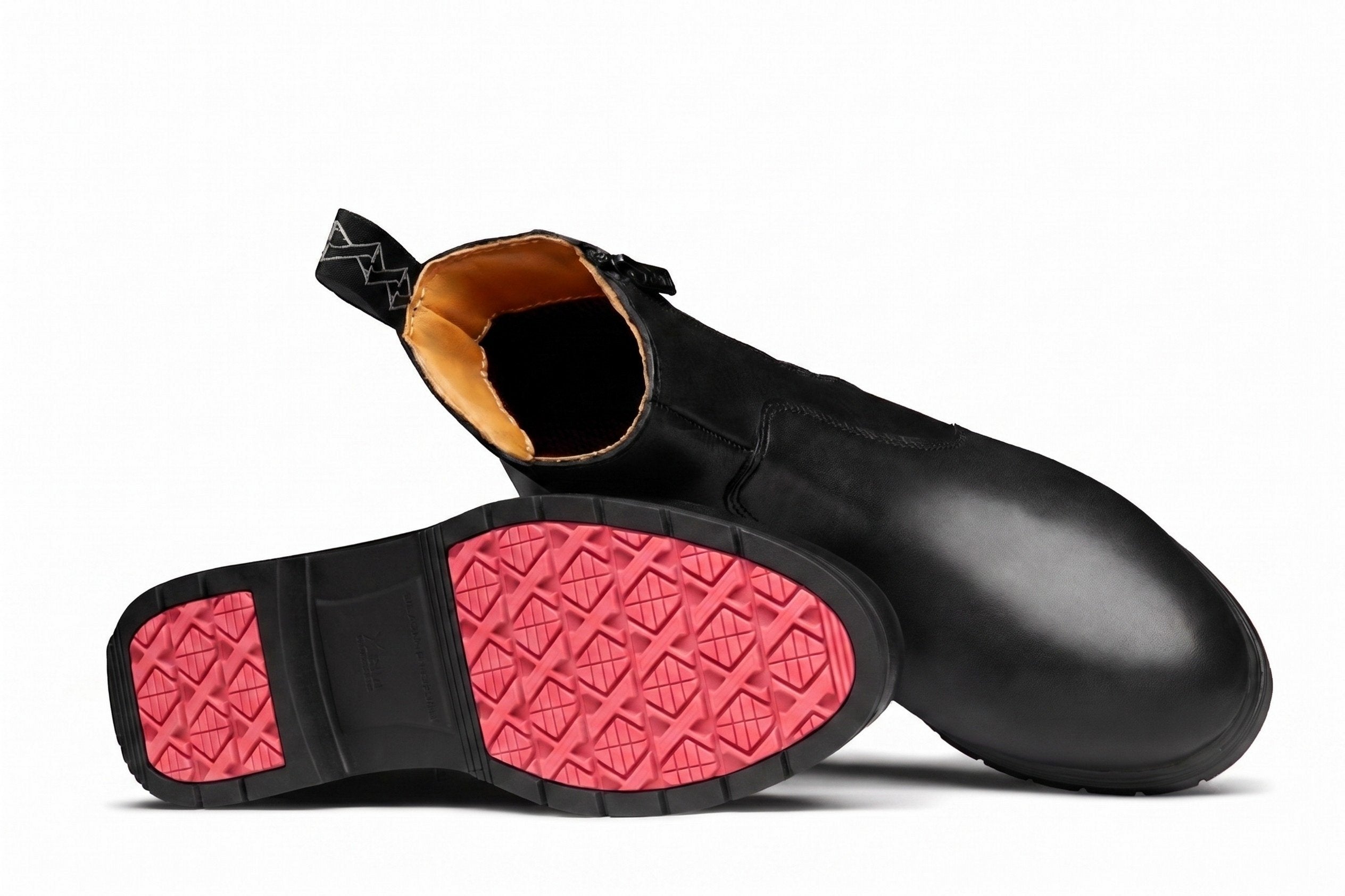
Spice
(Steel Toe)

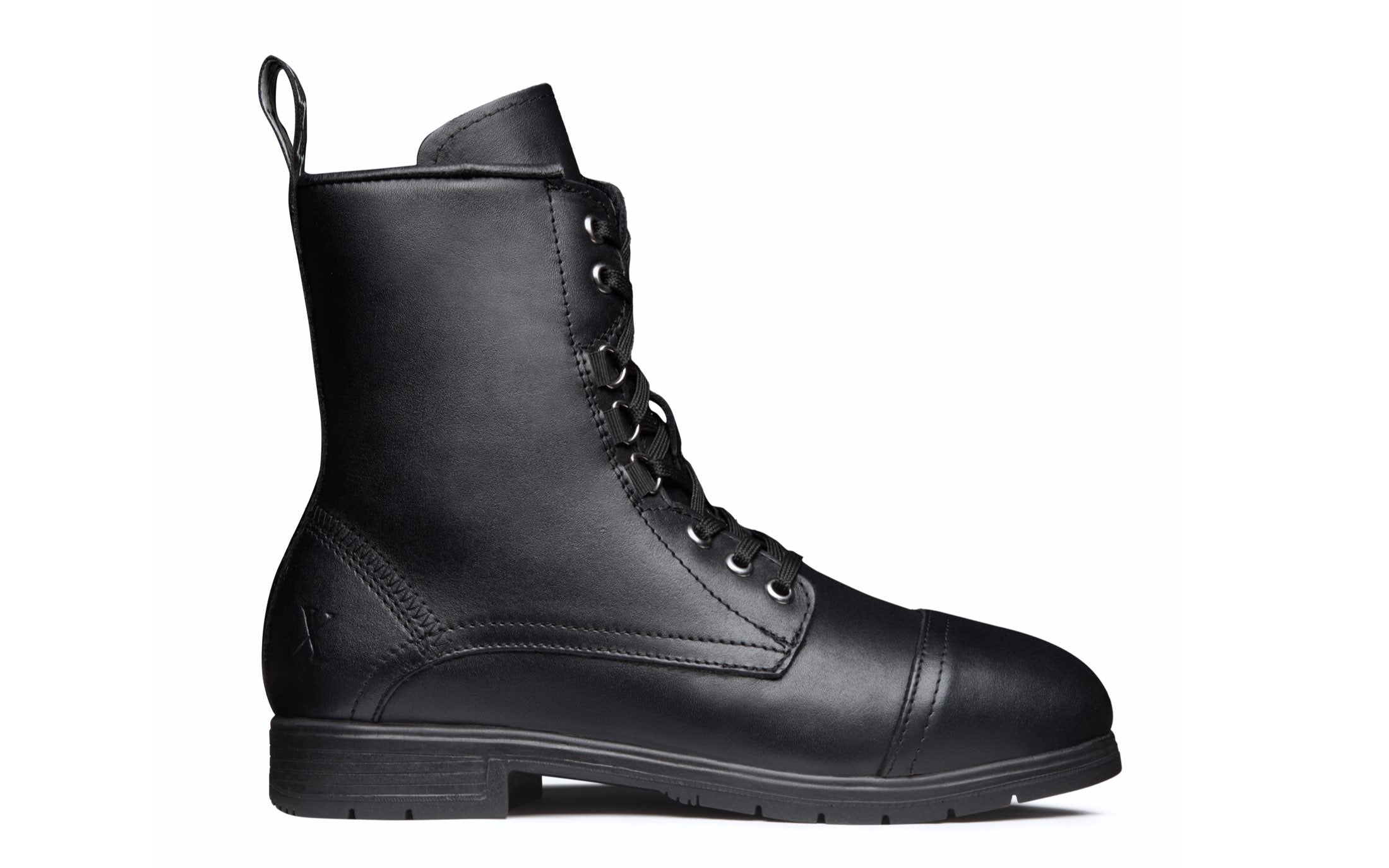

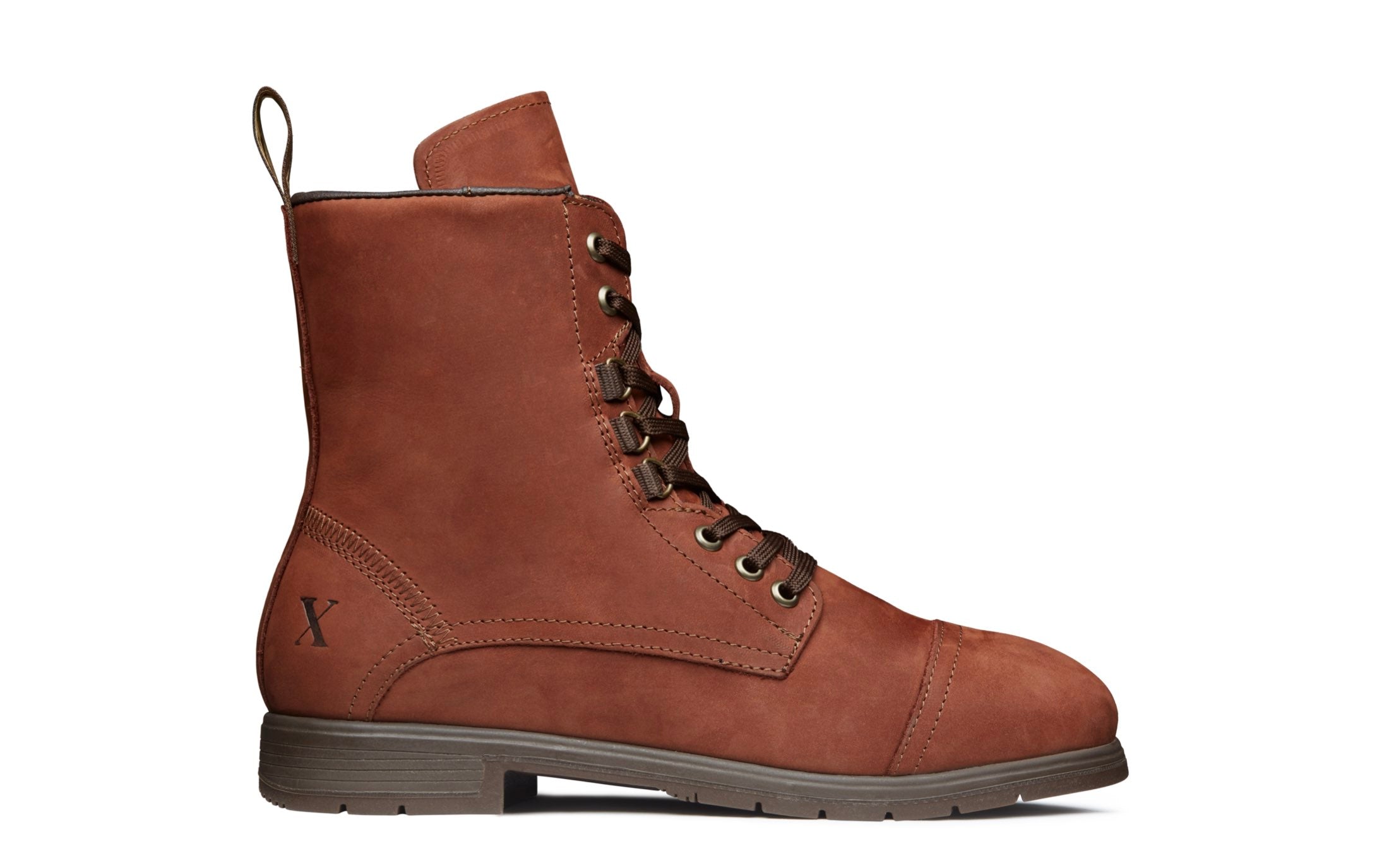

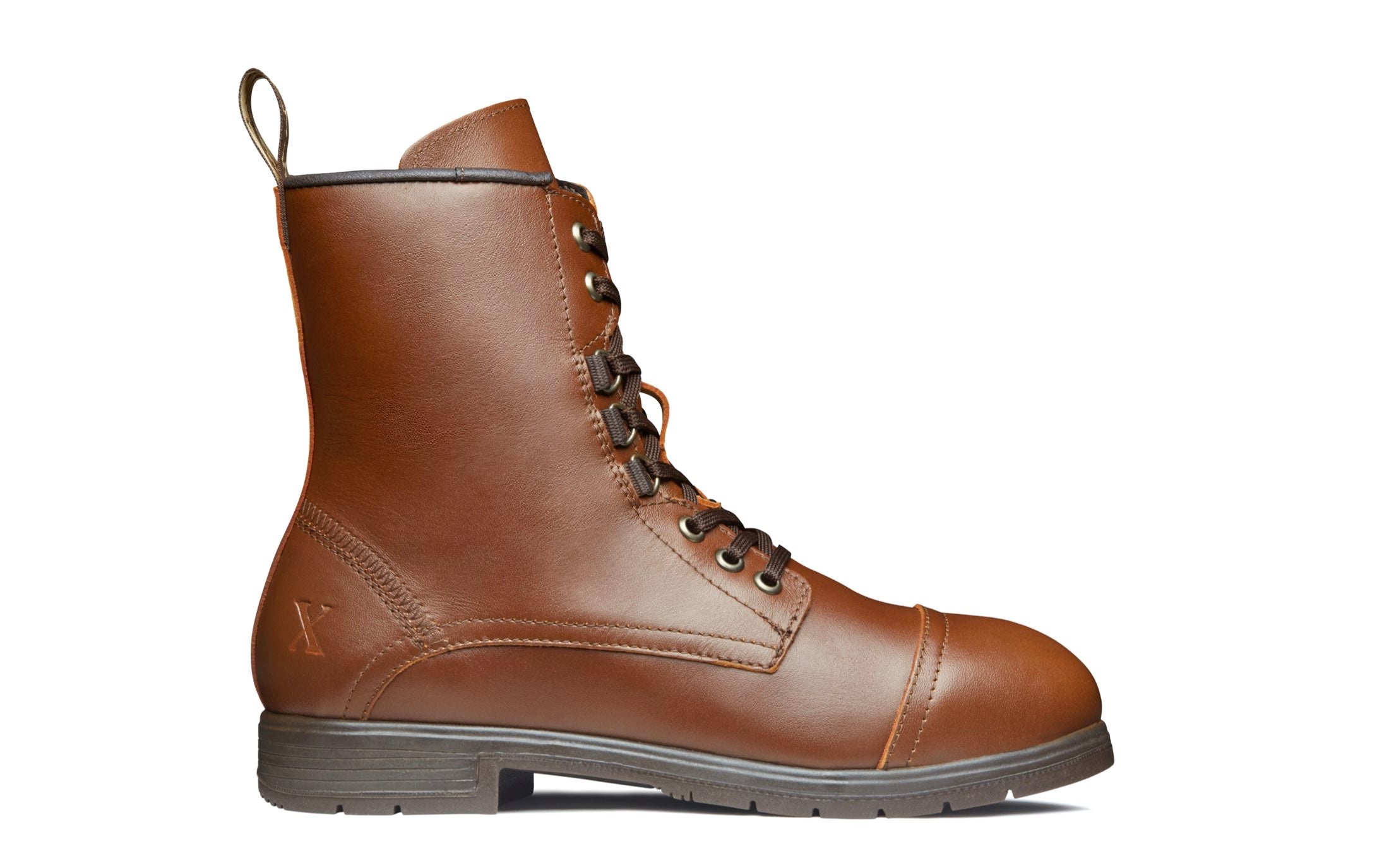

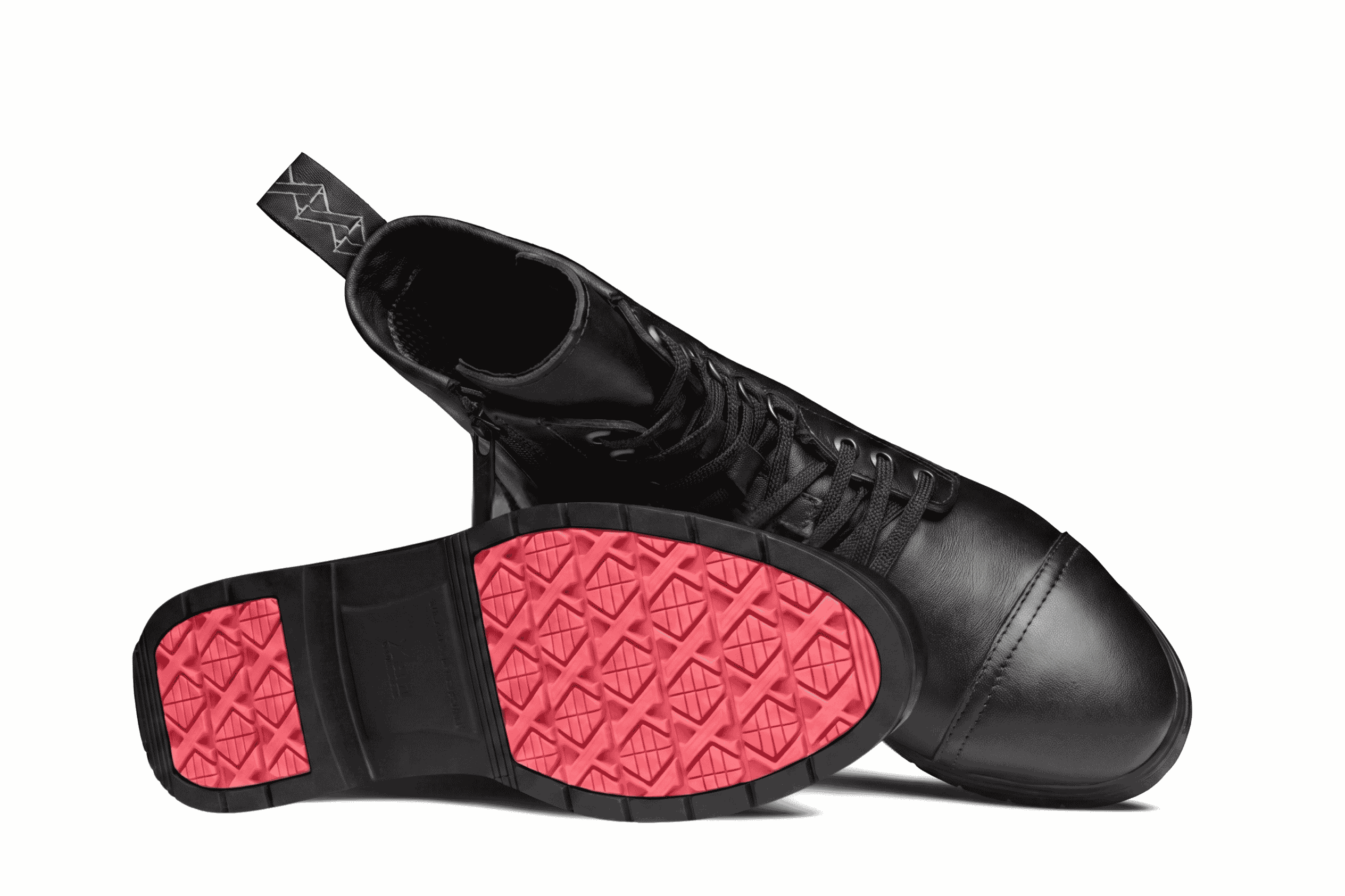
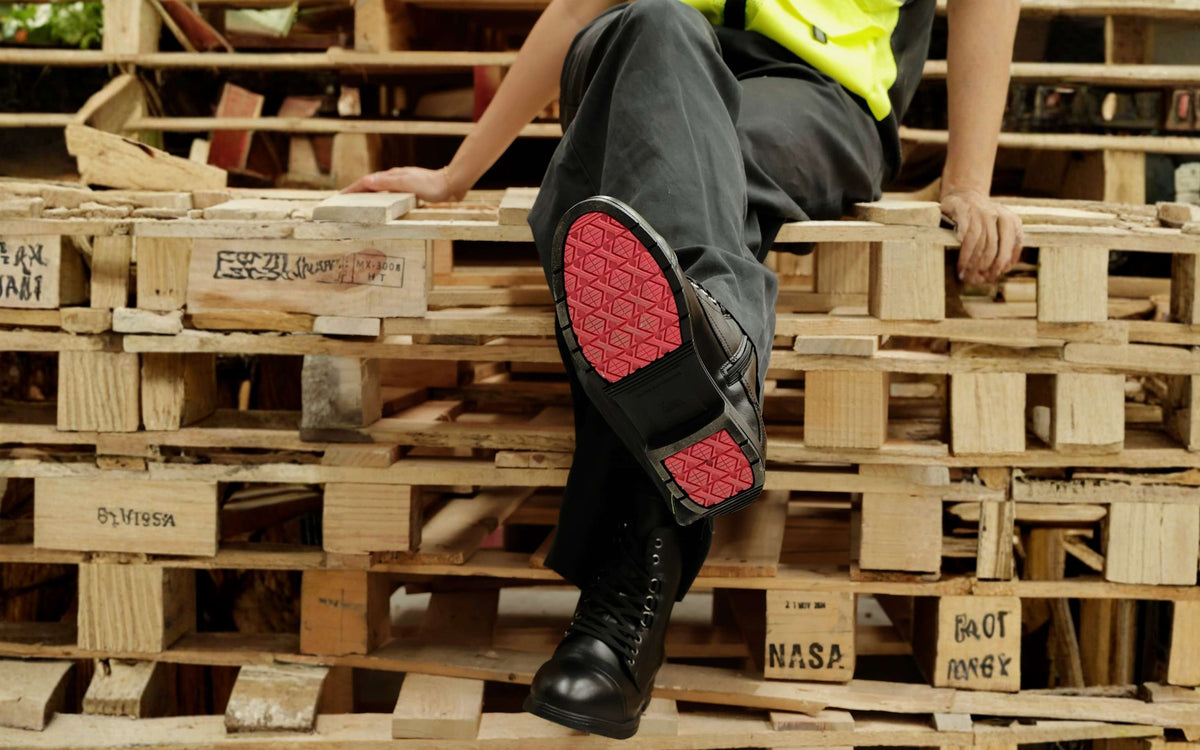
Valence
(Steel Toe)

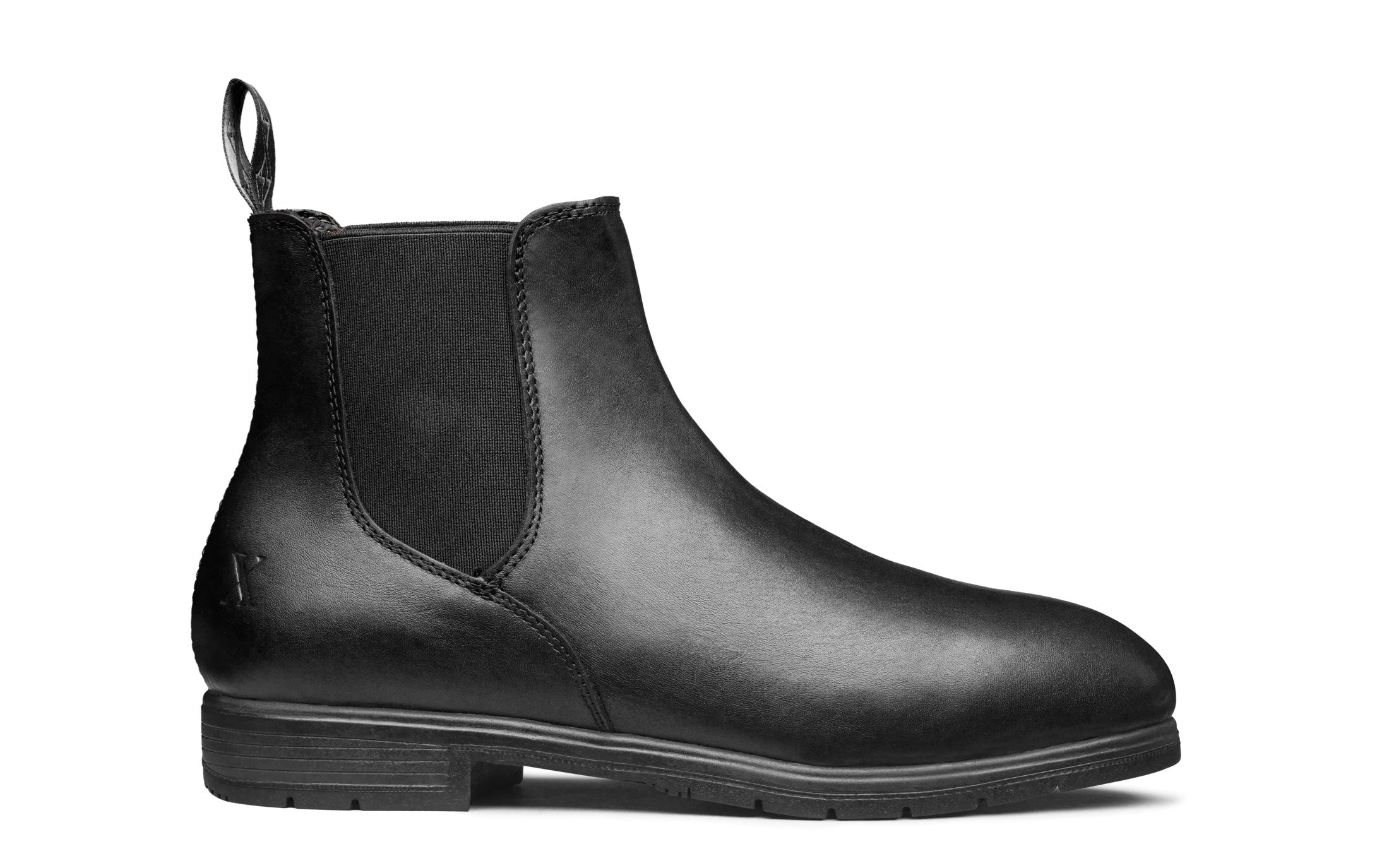

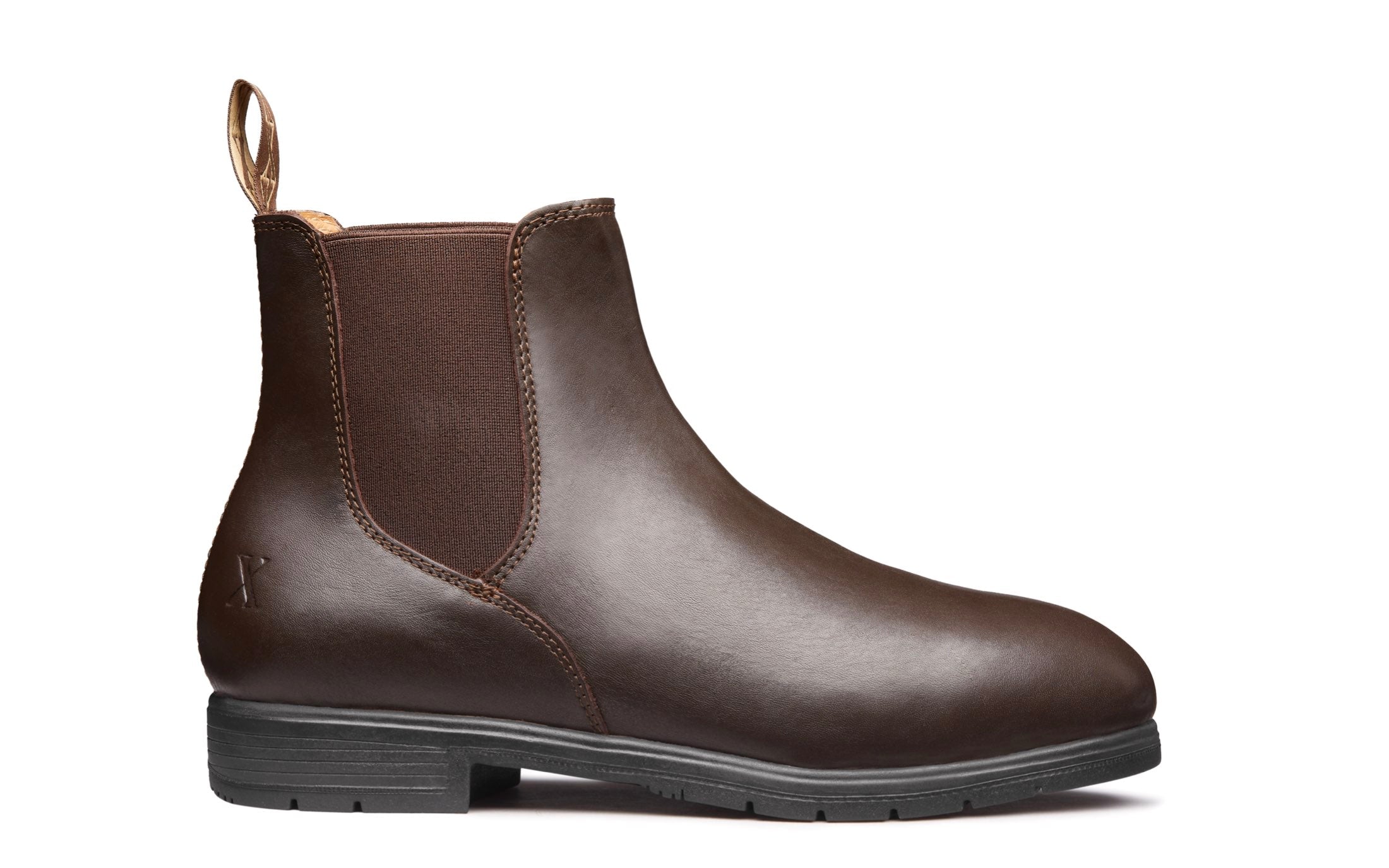

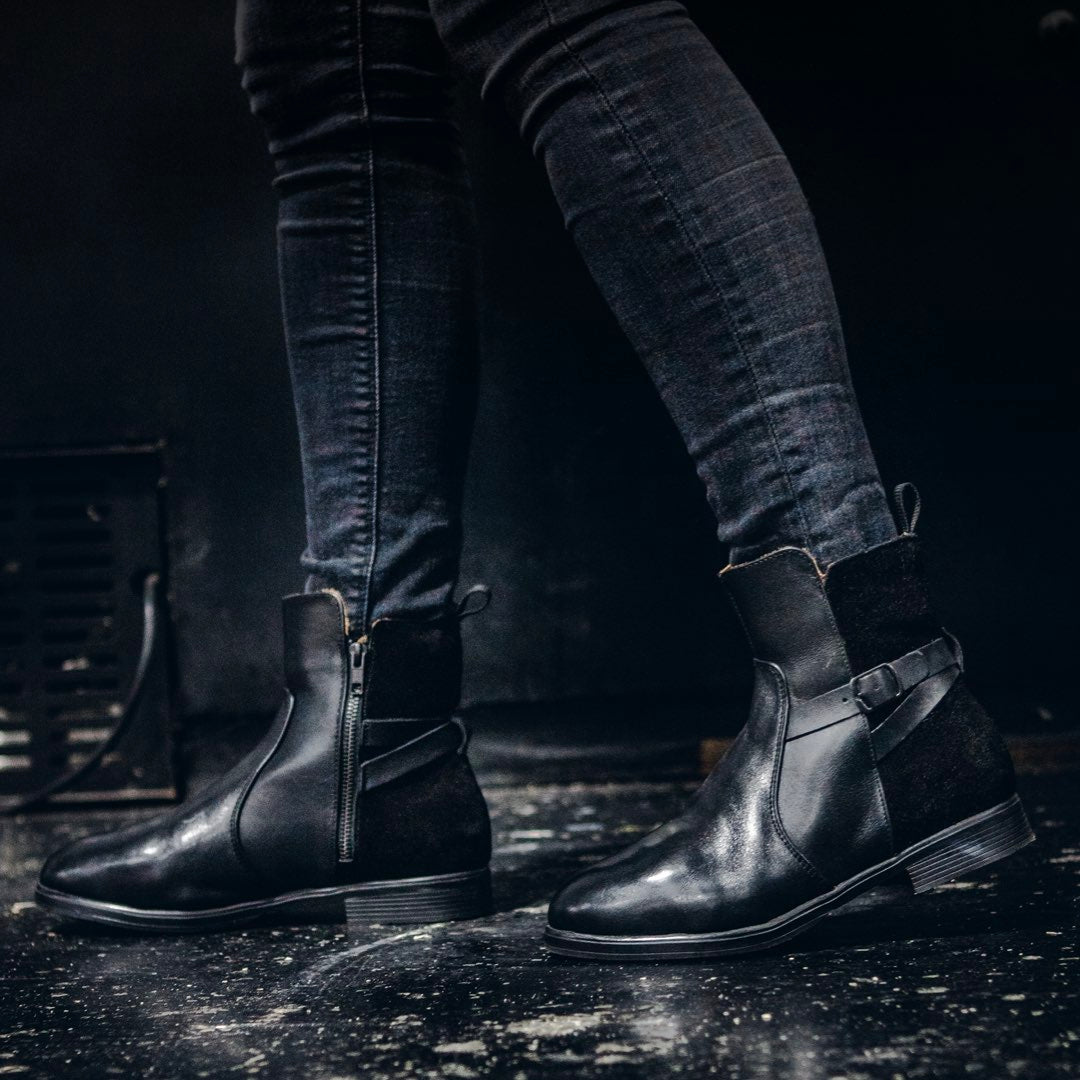
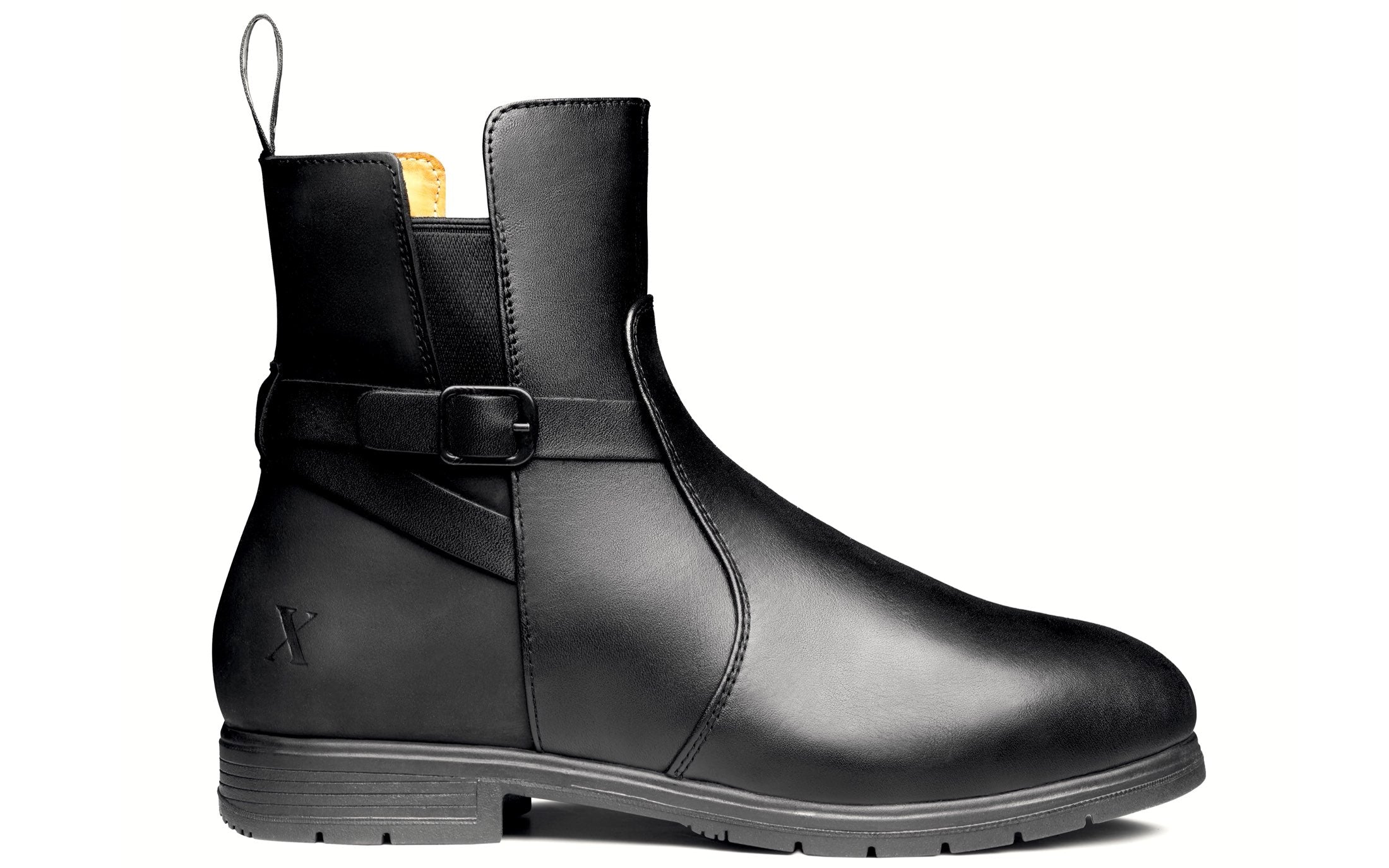

Horizon
(Alloy Toe)

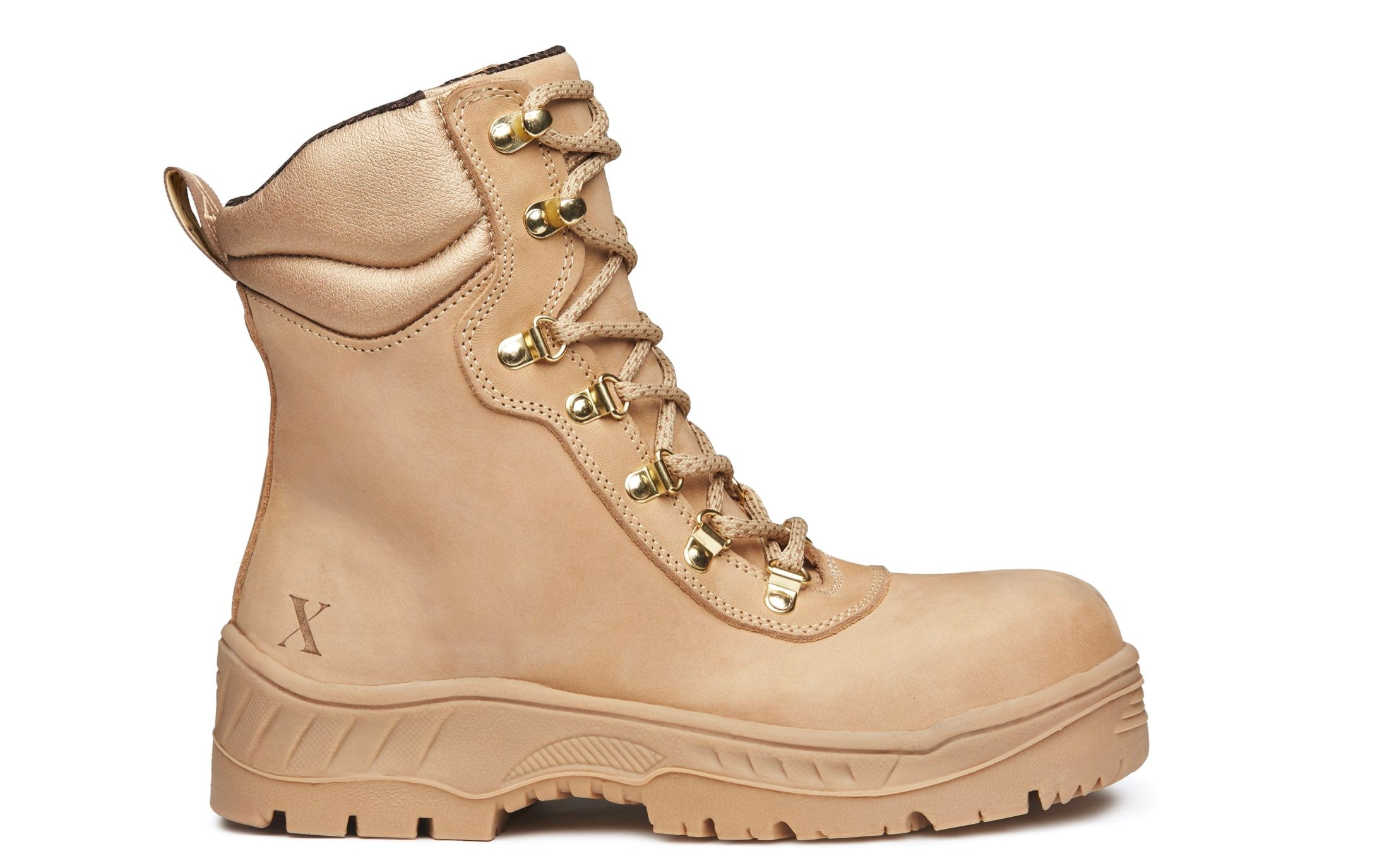

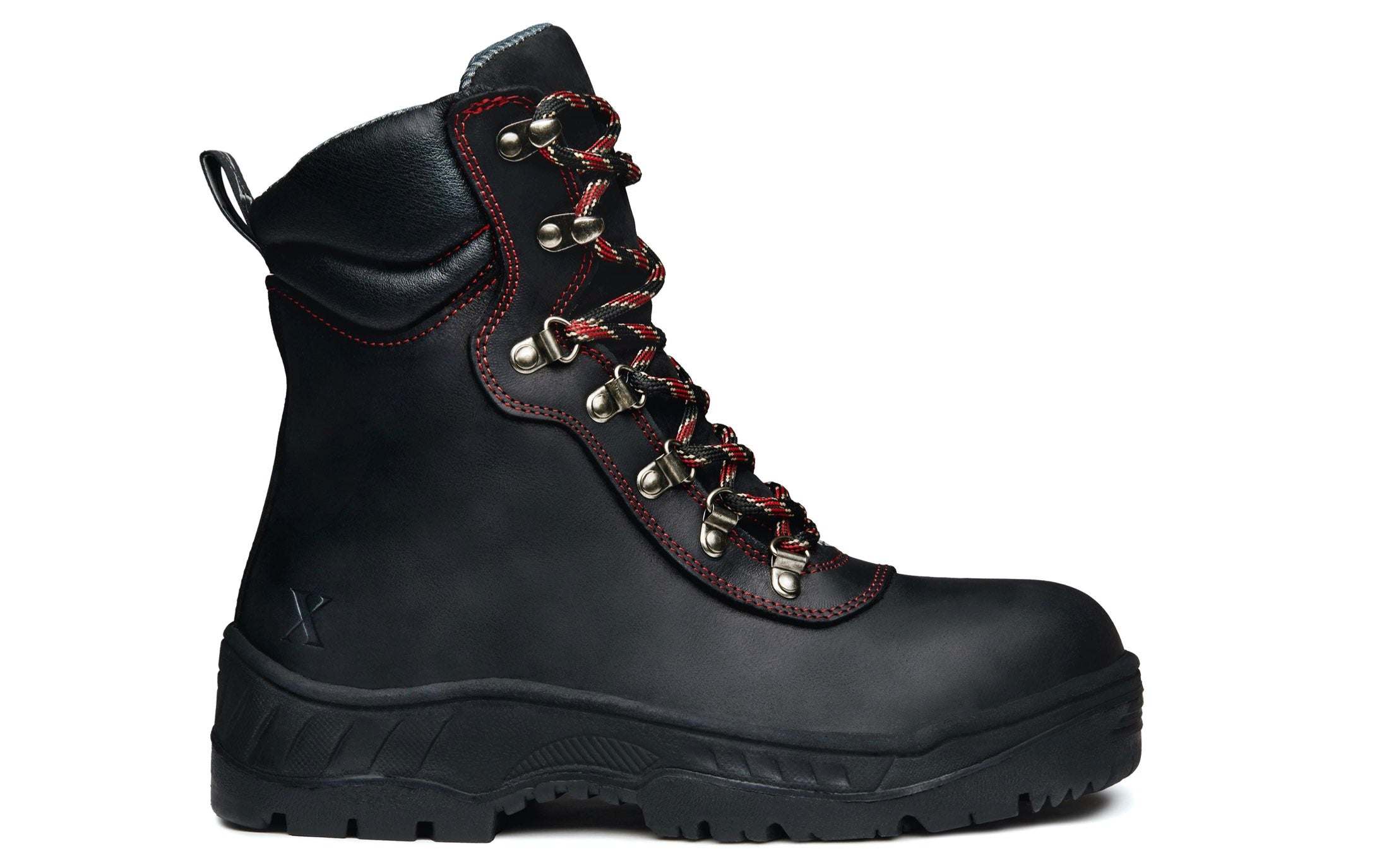

Astra
(Comp -or- Soft Toe)

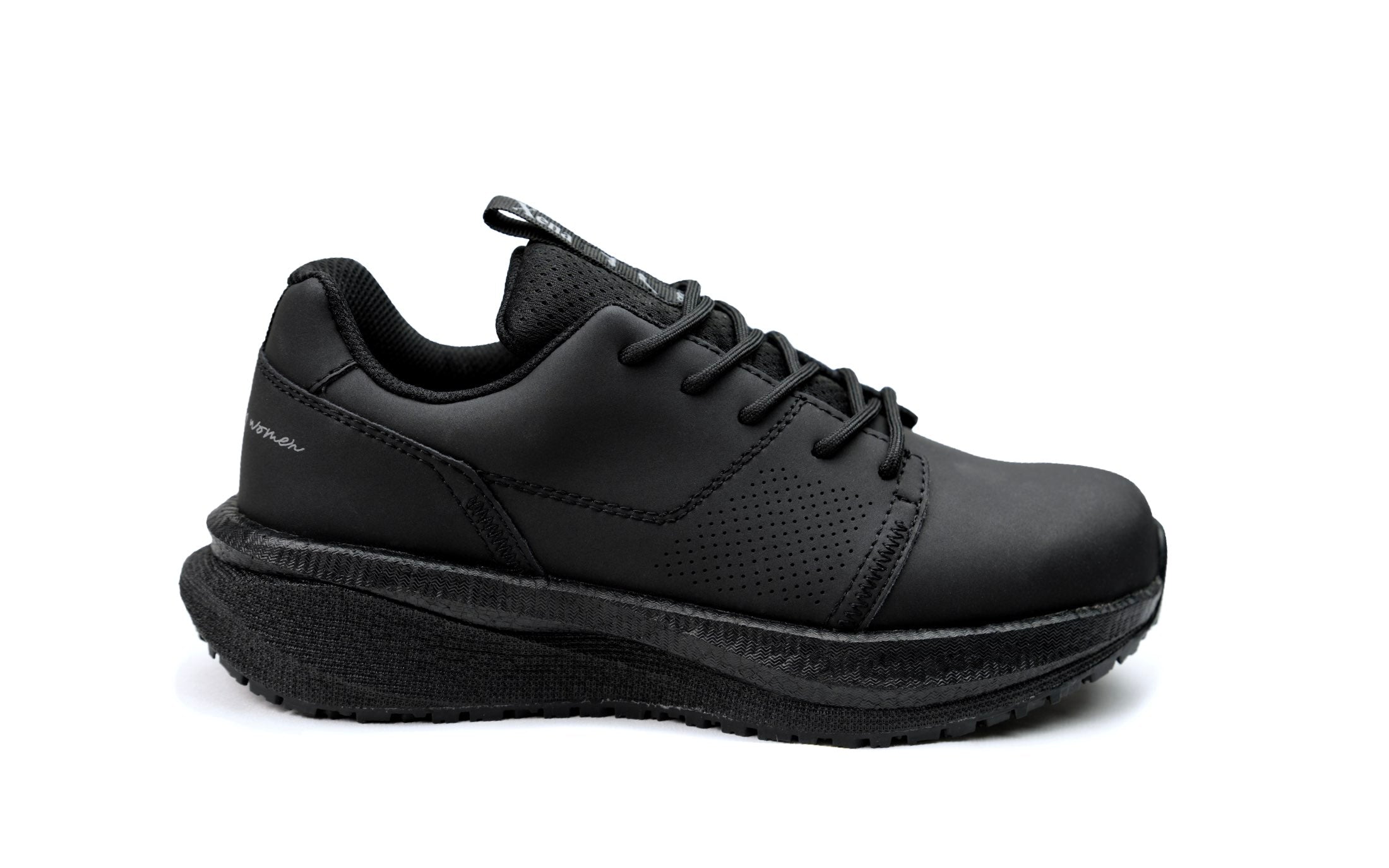

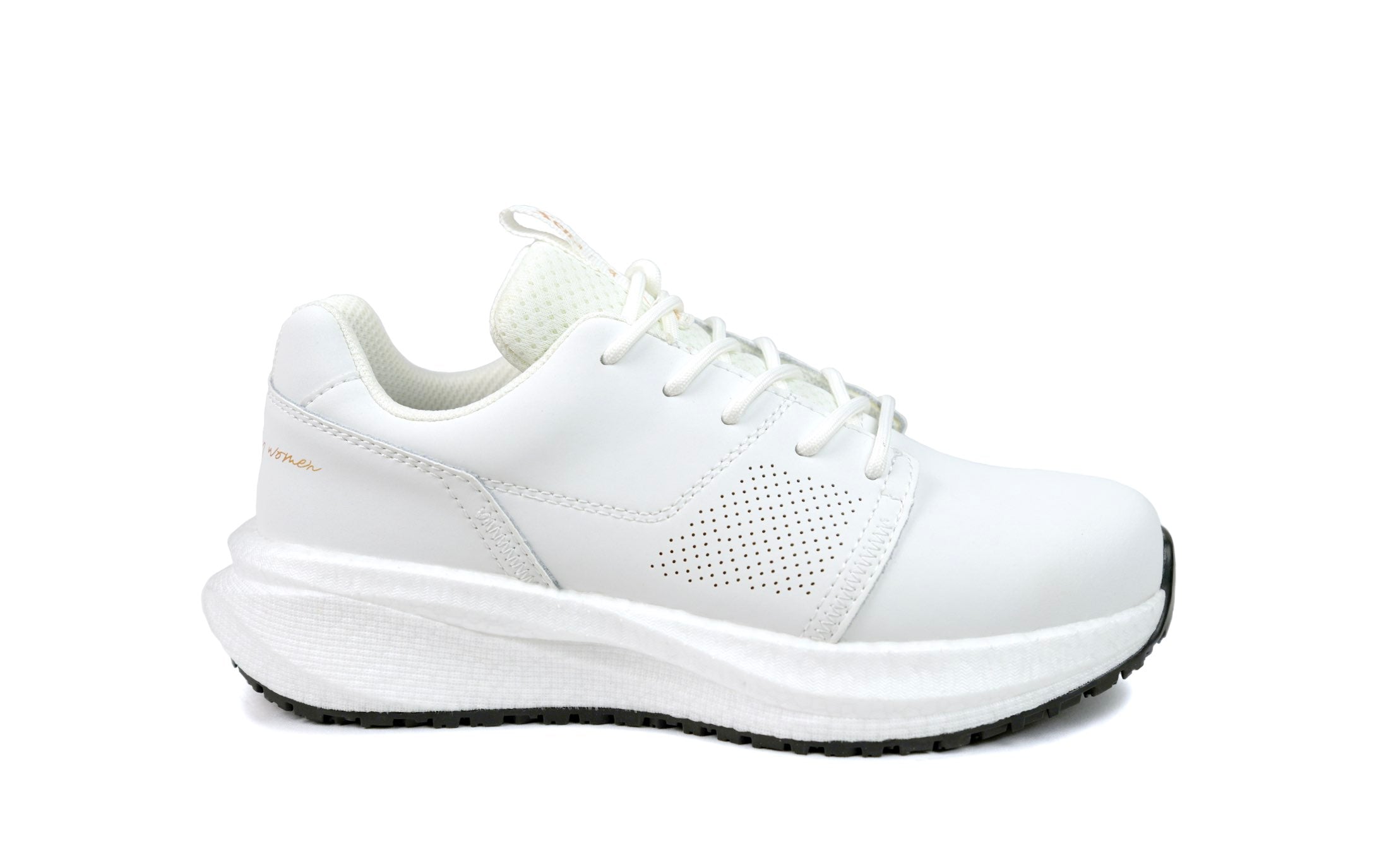

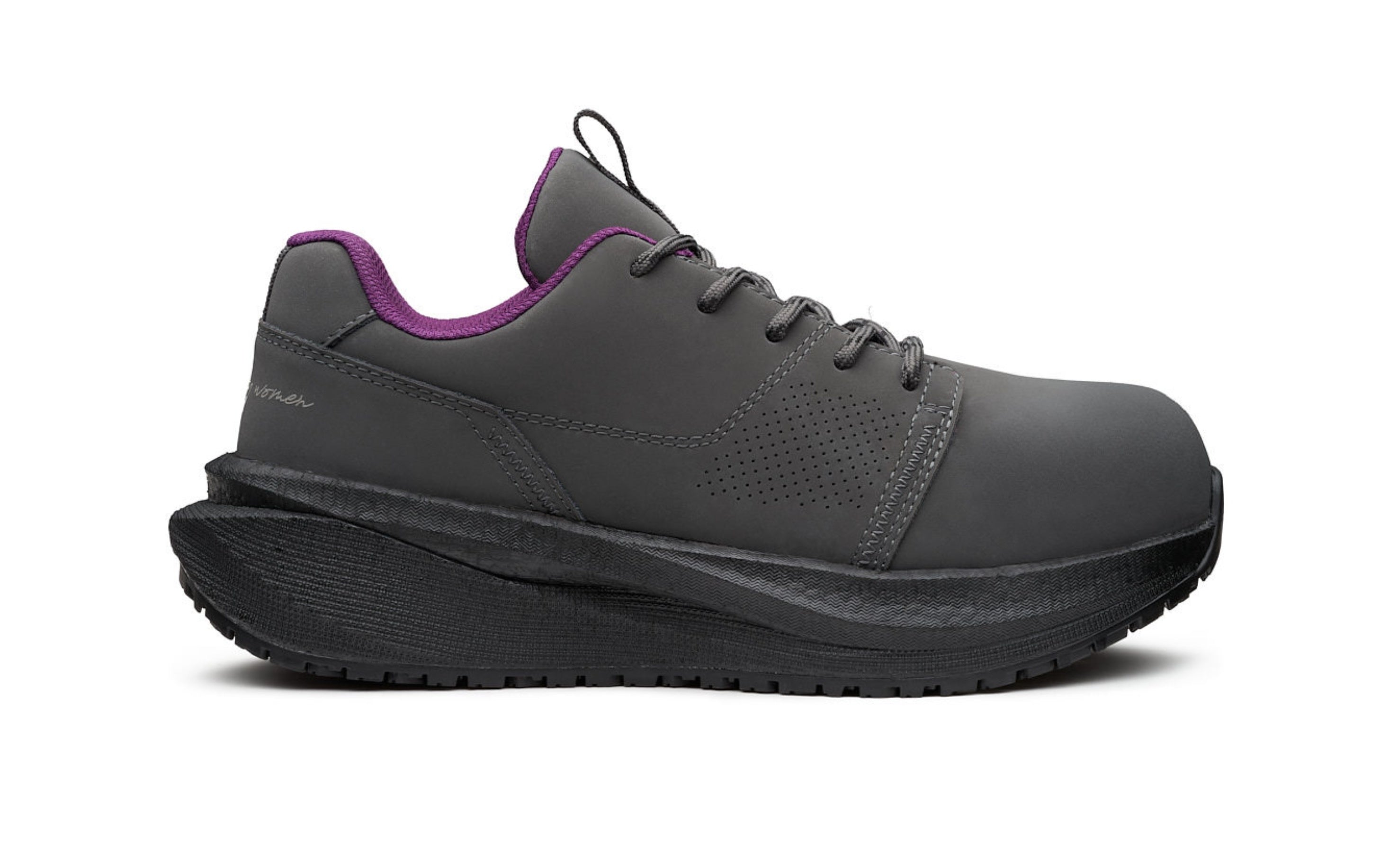
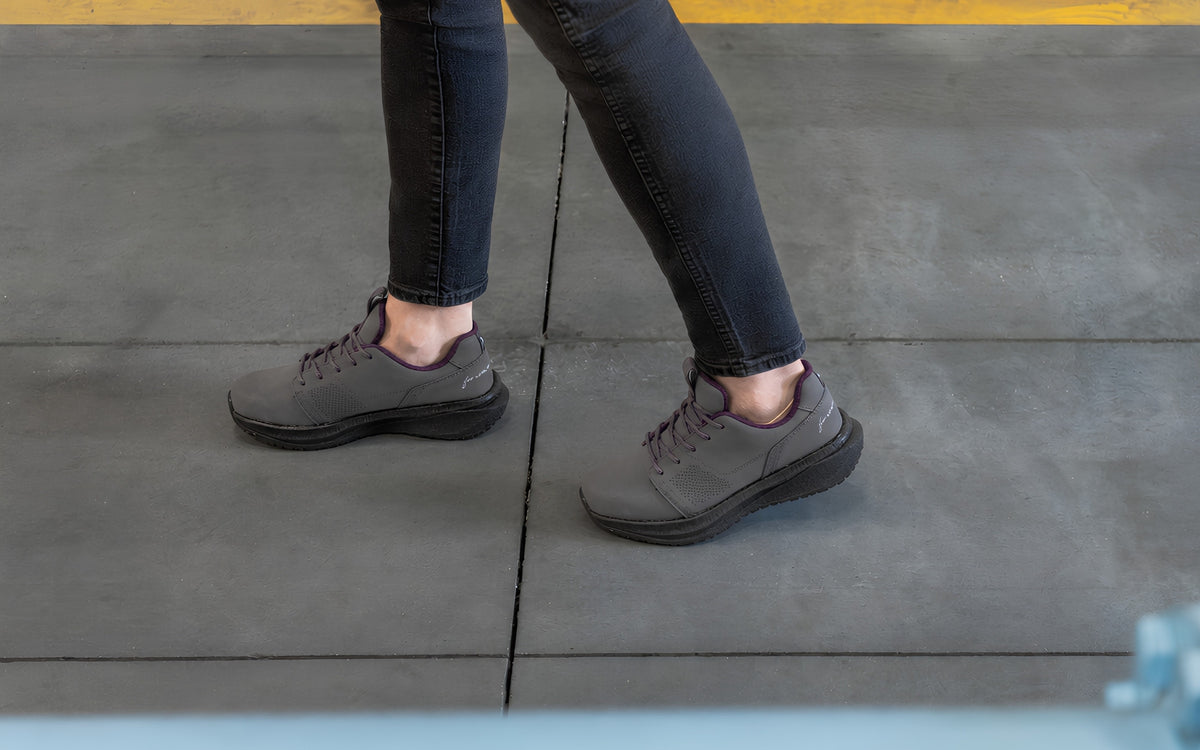
Gravity
(Steel Toe)

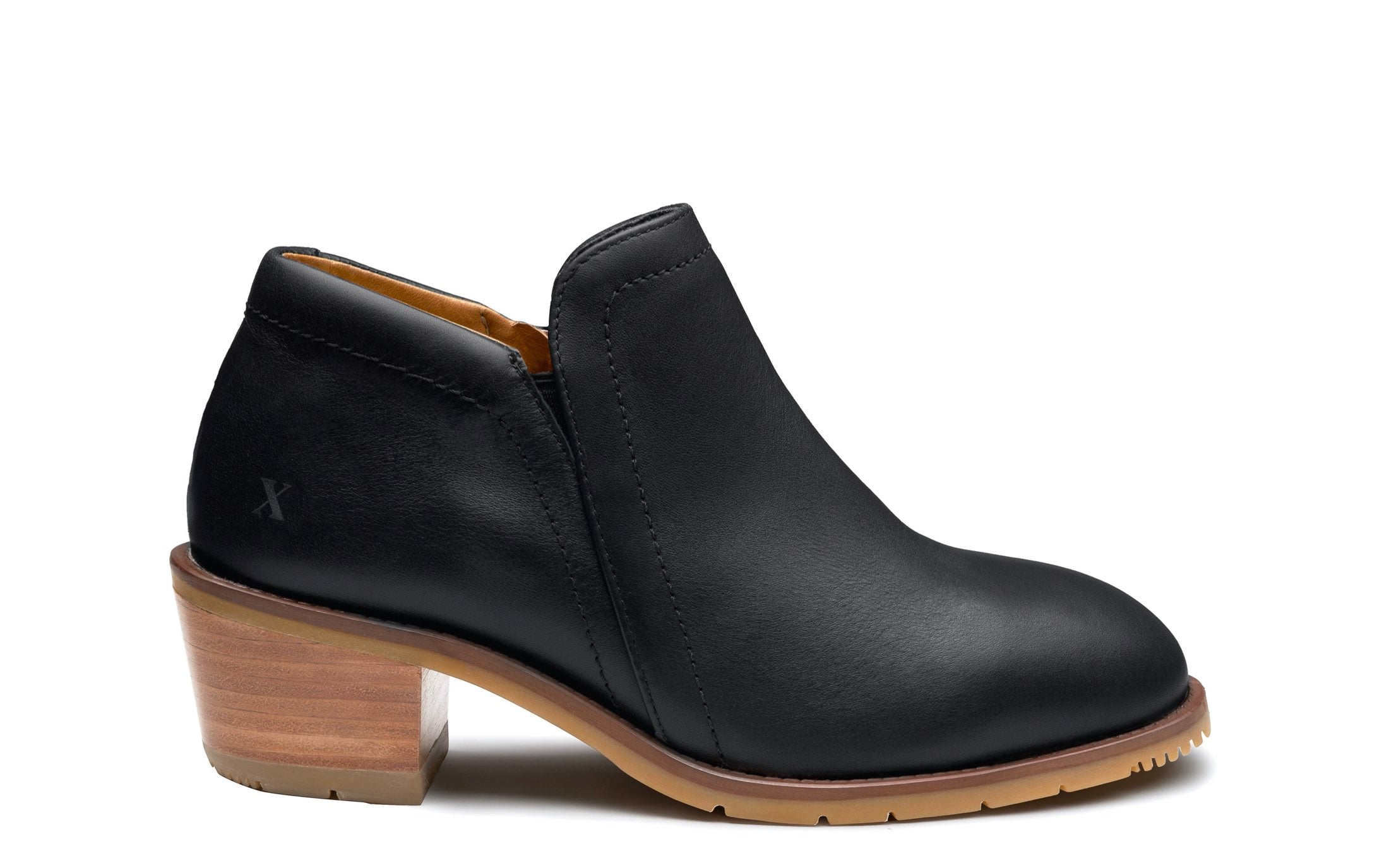

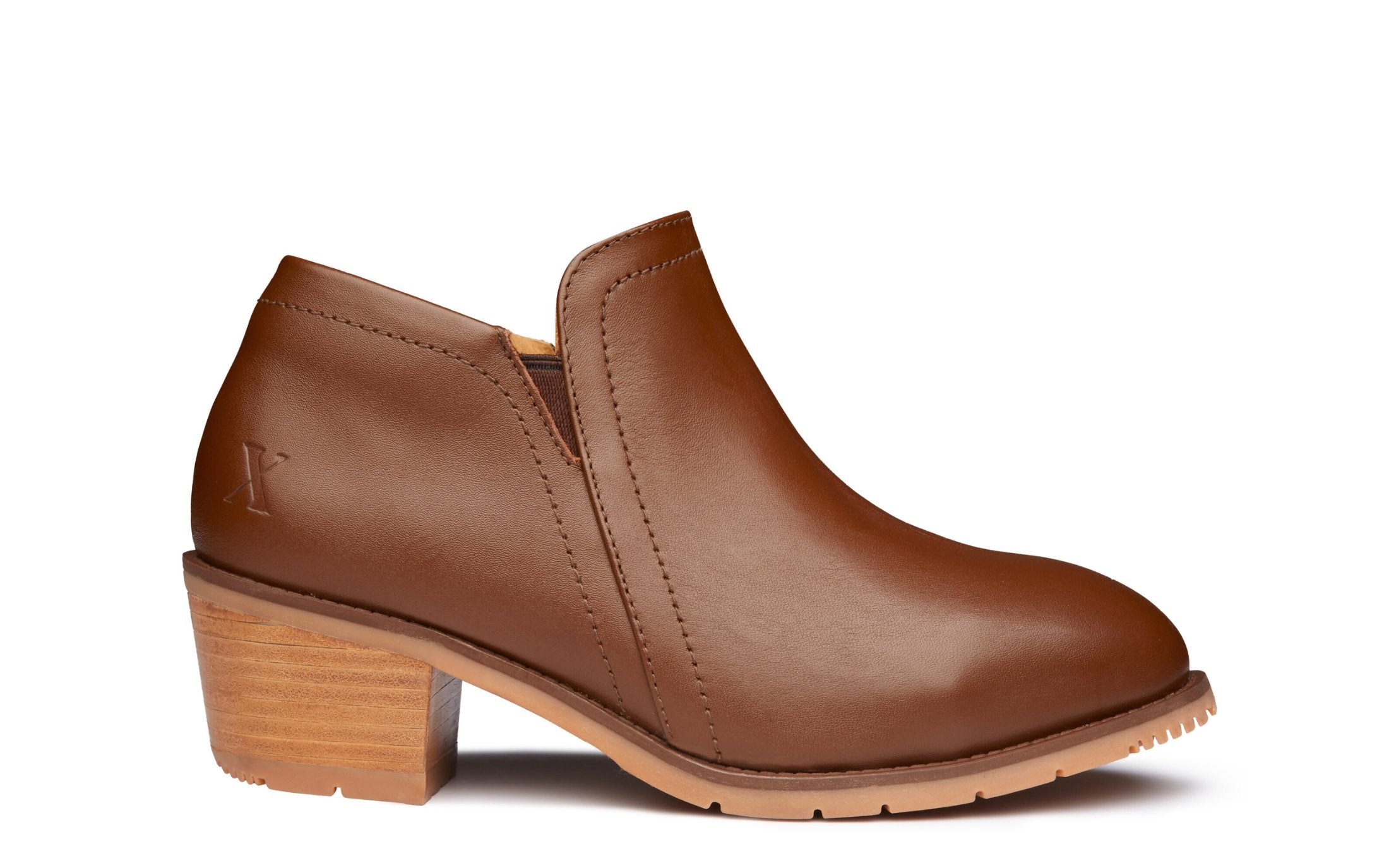

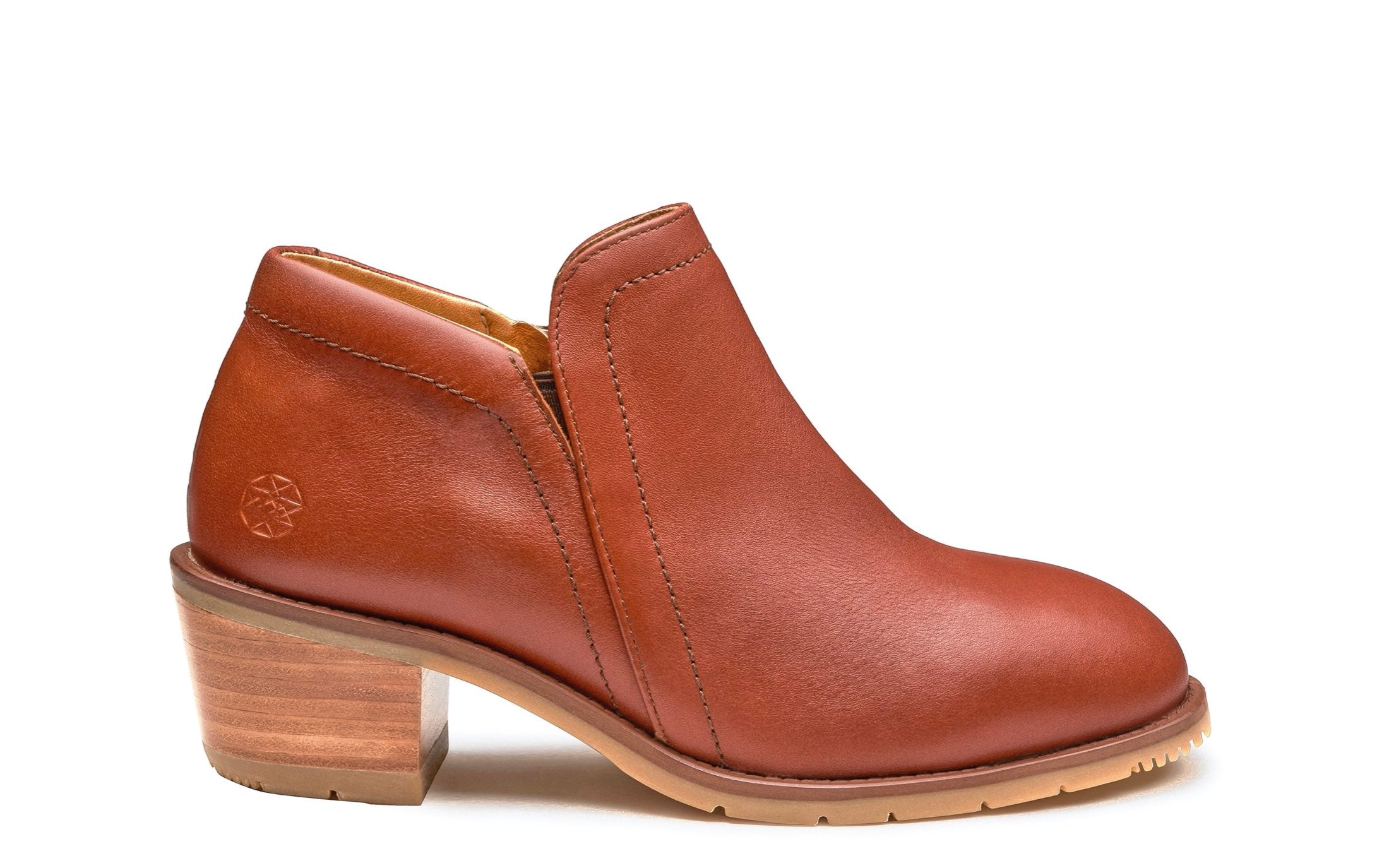

Astra Lite (Comp -or- Soft Toe)

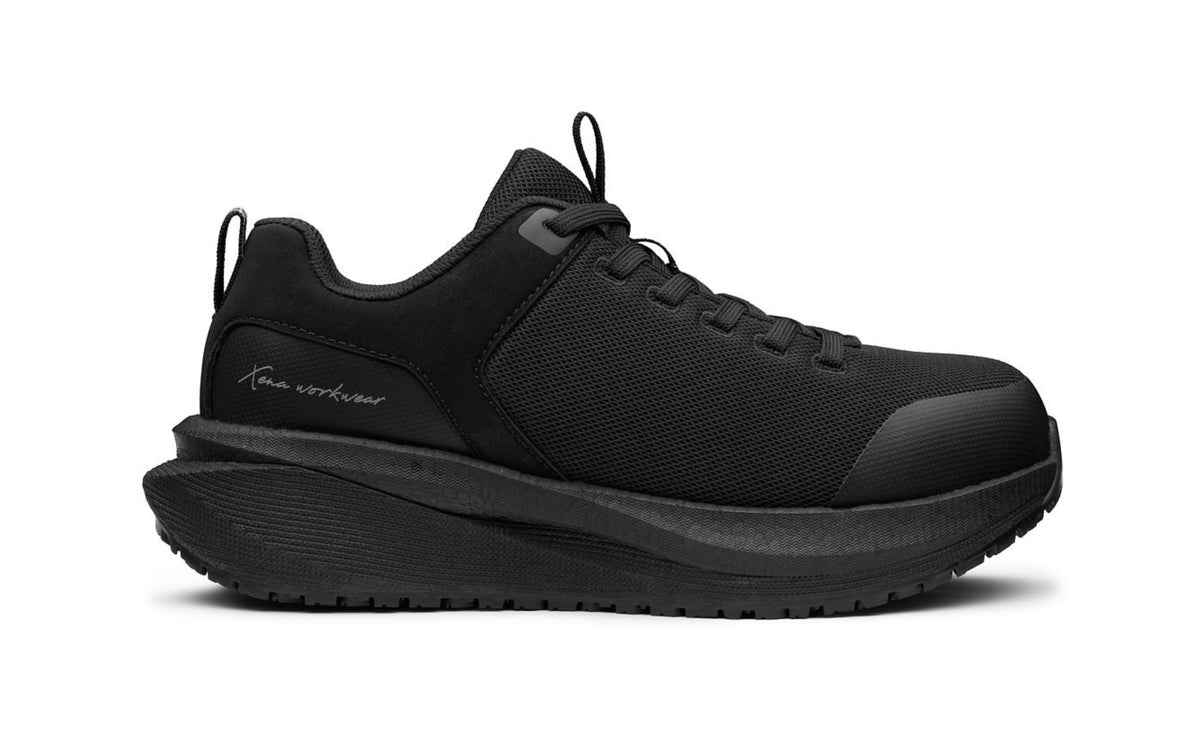
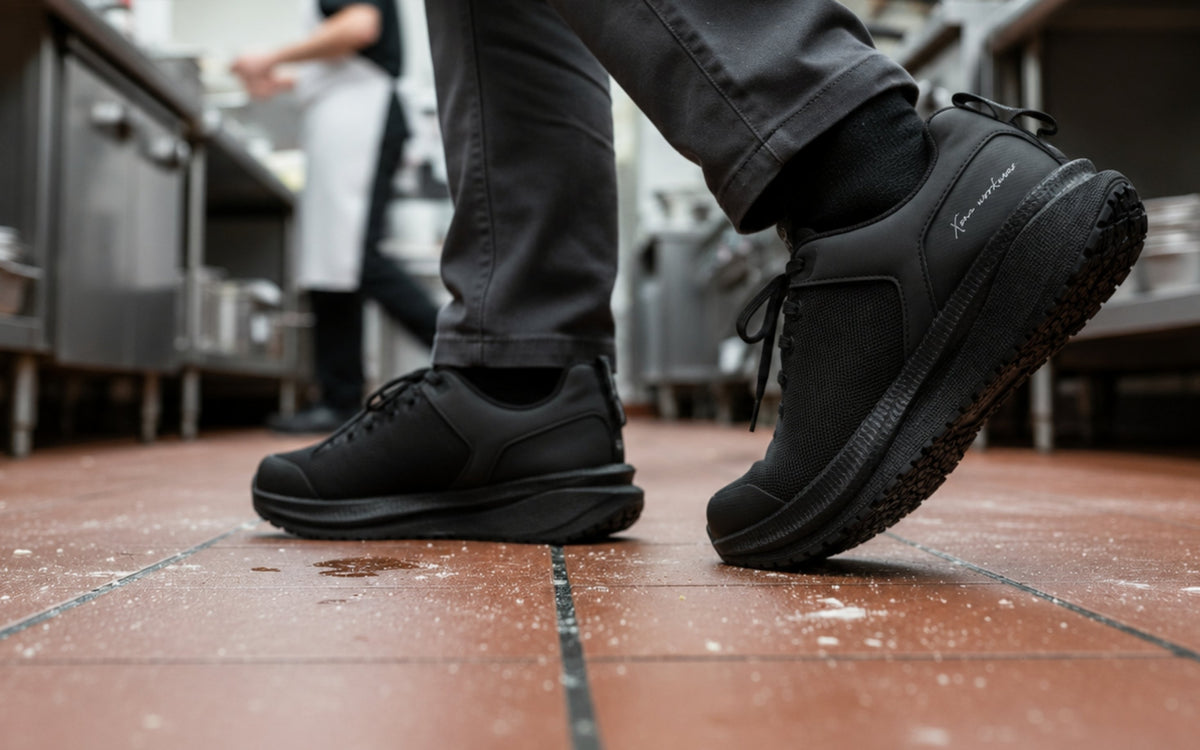

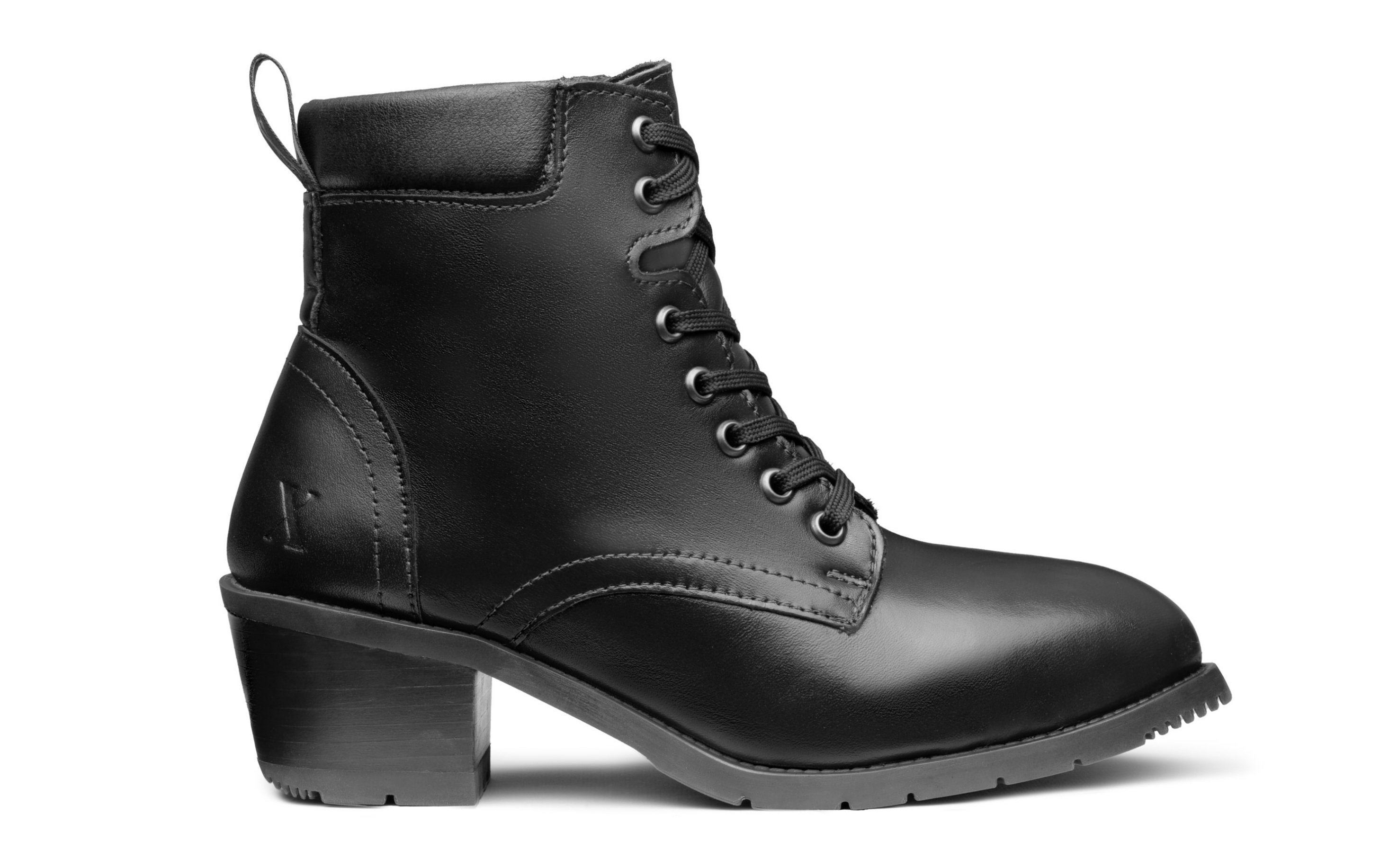
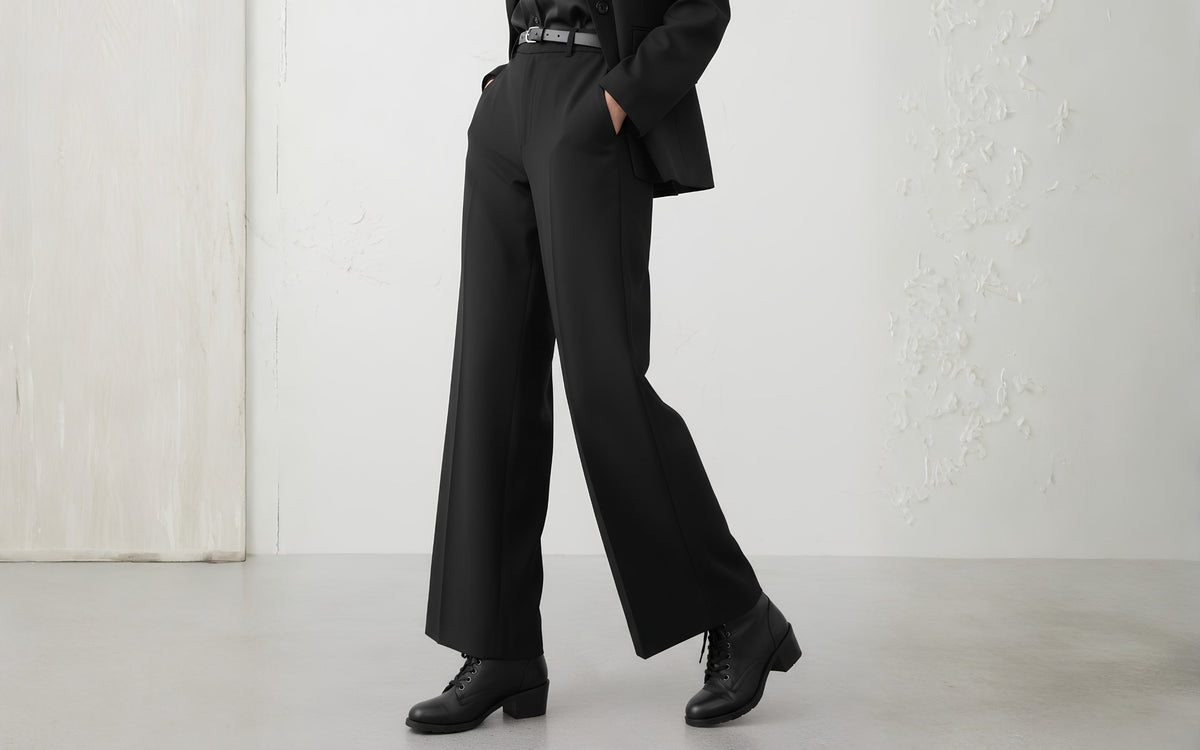
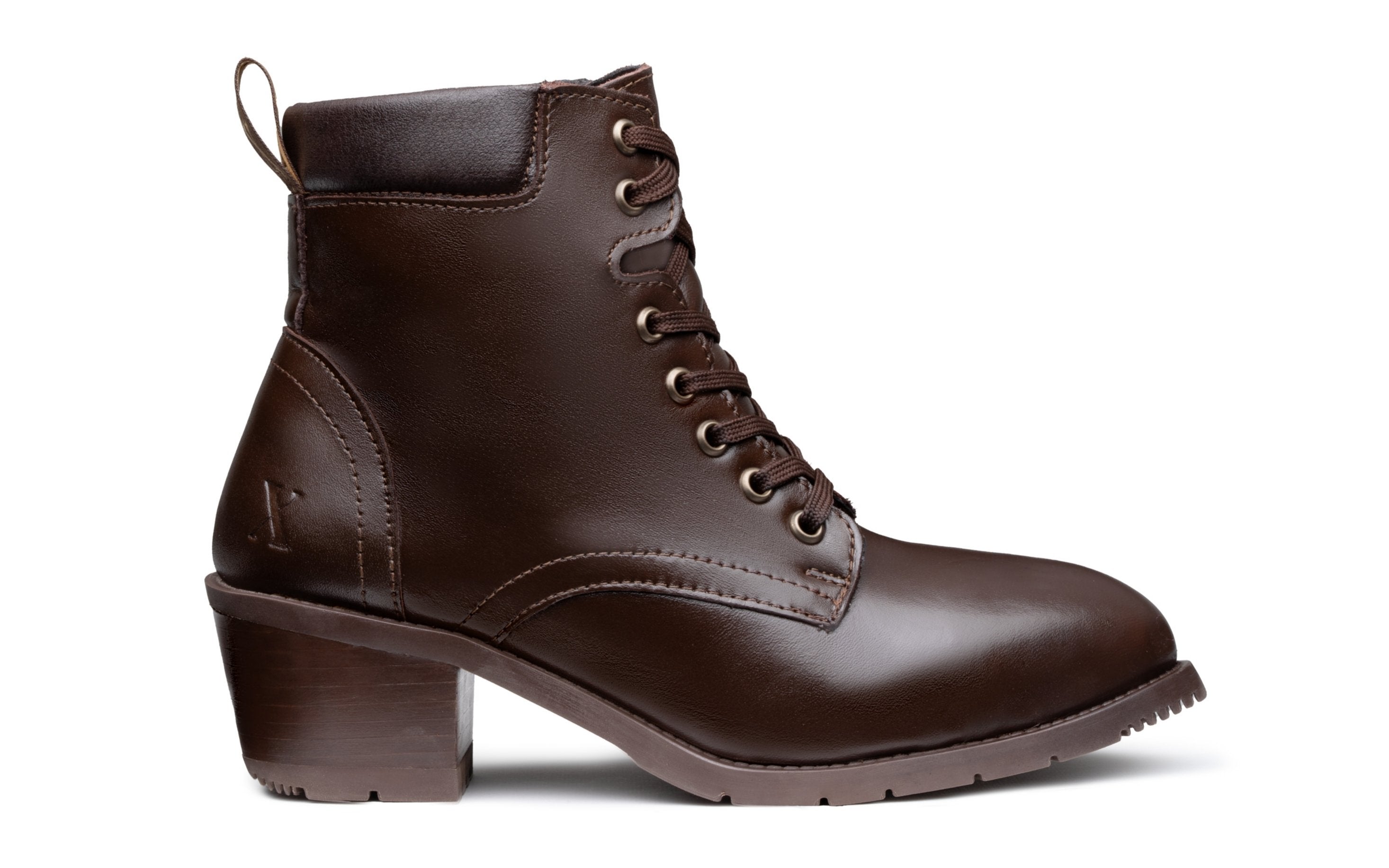

Work boots that actually fit women
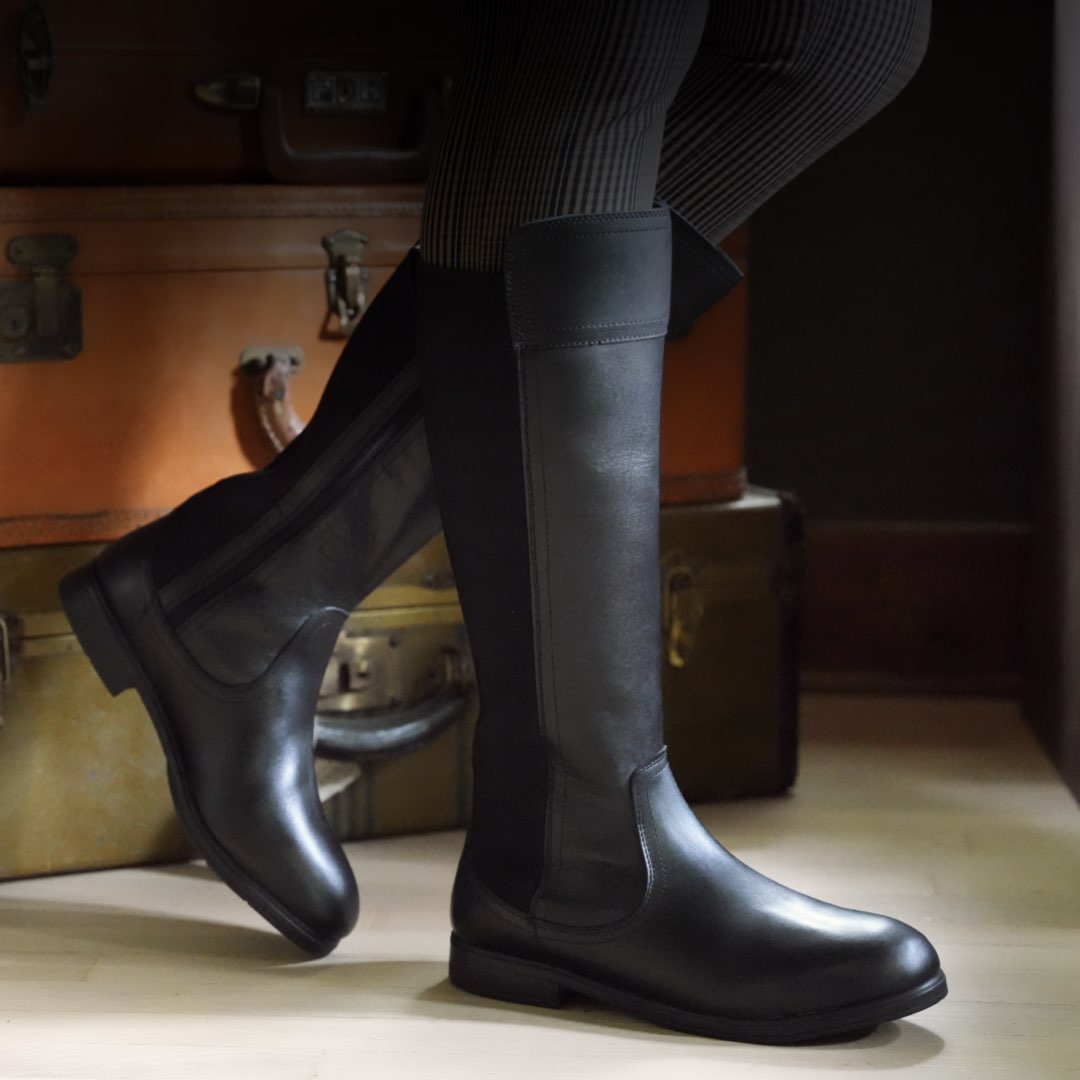
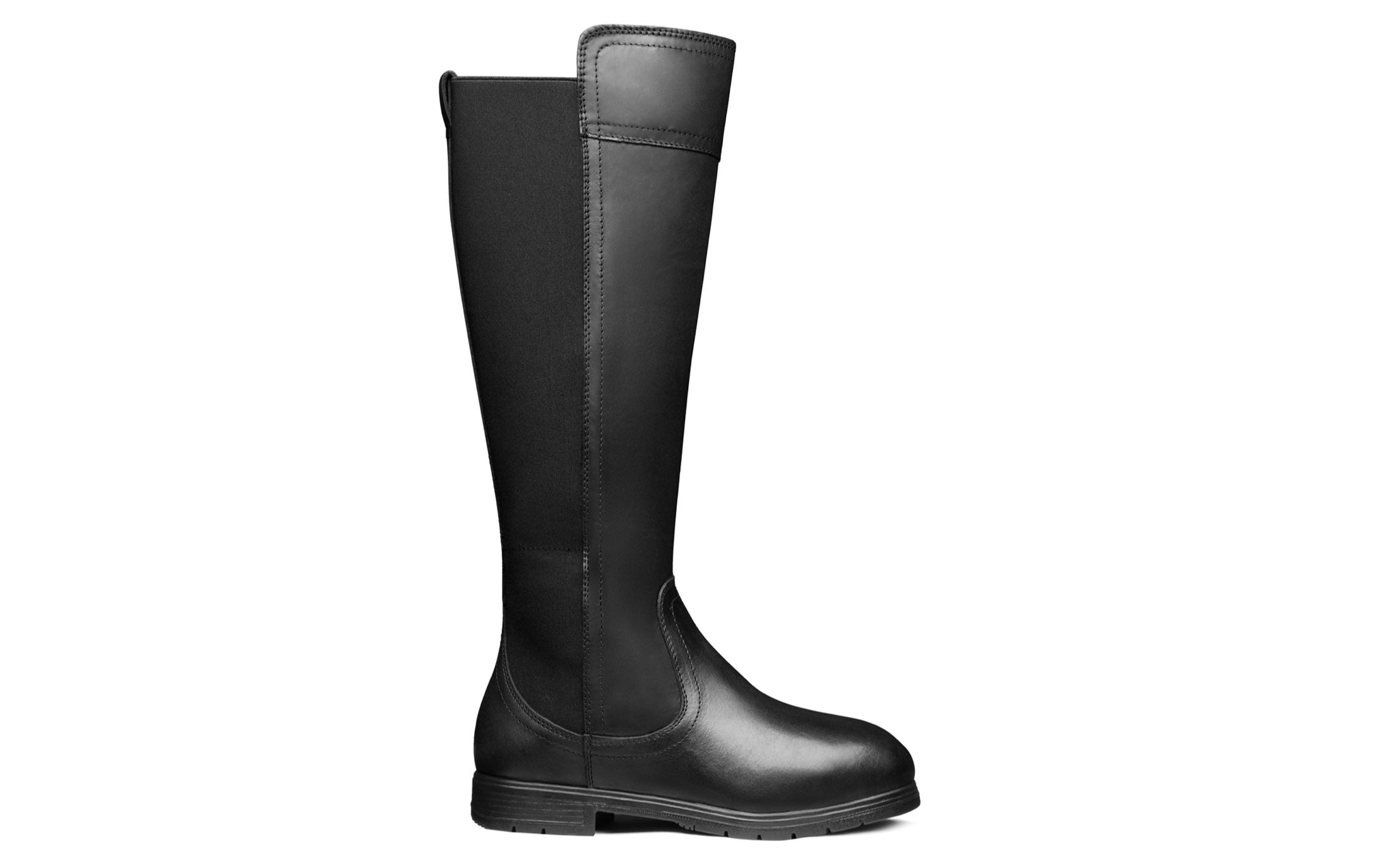
Most ‘women’s’ work boots are just smaller men’s molds. We start on a women’s last so the boot fits the heel, arch, and toe of a real woman’s foot — because fit is what makes a boot both safe and comfortable.
Find your protection
Choose your toe type first — steel, composite, alloy, or soft — then match the hazard ratings (EH, SD, Mt, PR). Whether you're on a construction site, in a warehouse, or working outdoors, properly chosen work boots help you stay comfortable, stable, and protected.
What makes a good work boot?
The best work boots balance protection, comfort, traction, and durability for your specific job. You don’t want an over-engineered boot or something you’re lugging around when all you need is a certain single feature. A protective toe cap, slip-resistant outsoles, supportive cushioning and most importantly, female-fit all play an important role.
FAQ
What makes a good women's work boot?
A true women's-last fit, the right protective toe, slip resistance, and durability for your conditions.
Are Xena work boots OSHA-compliant?
Yes - every style is ASTM F2413-certified, the standard OSHA relies on.
What toe types do you offer?
Steel, composite, alloy, and soft toe across the line.
Do you have waterproof work boots?
Yes - the Luna is fully waterproof, the Horizon is functionally waterproof and all of our leather styles are water-resistant, which covers you in most conditions.
Still have questions? Read our full FAQ →
Xena Gear