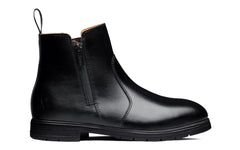
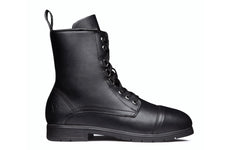
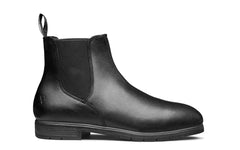
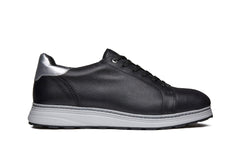

Metatarsal Guard (Met Guard) Boots for Women
Protect the top of your foot, too.
A steel toe guards your toes — a metatarsal guard protects the bones across the top of your foot from falling and rolling objects. Designed for demanding industrial environments, the Fusion integrates an Mt 75 met guard with a steel toe and EH protection, on a women’s last.
Protect the top of your foot, too.
The Fusion adds an Mt 75 met guard over a steel toe and EH, on a women’s last.
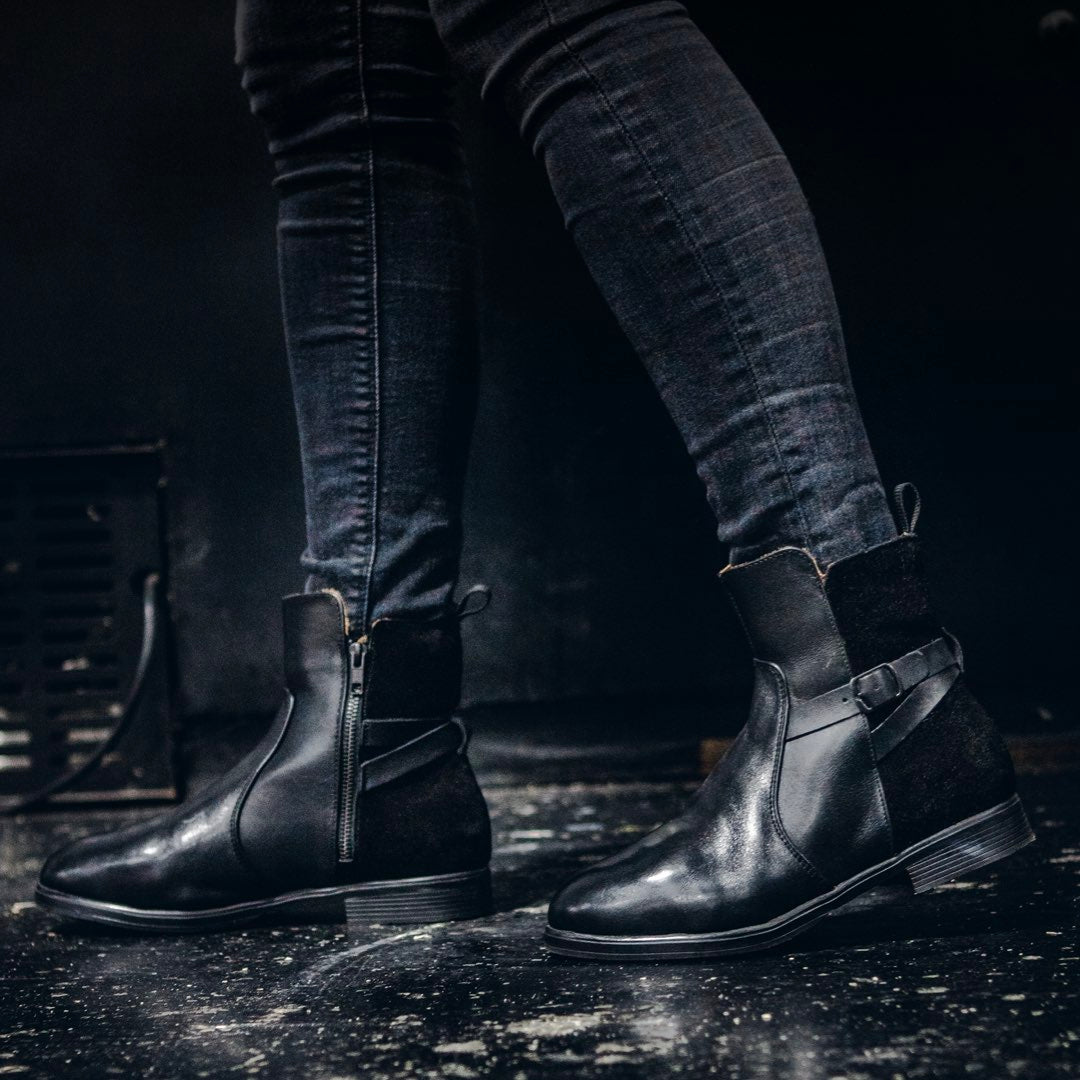
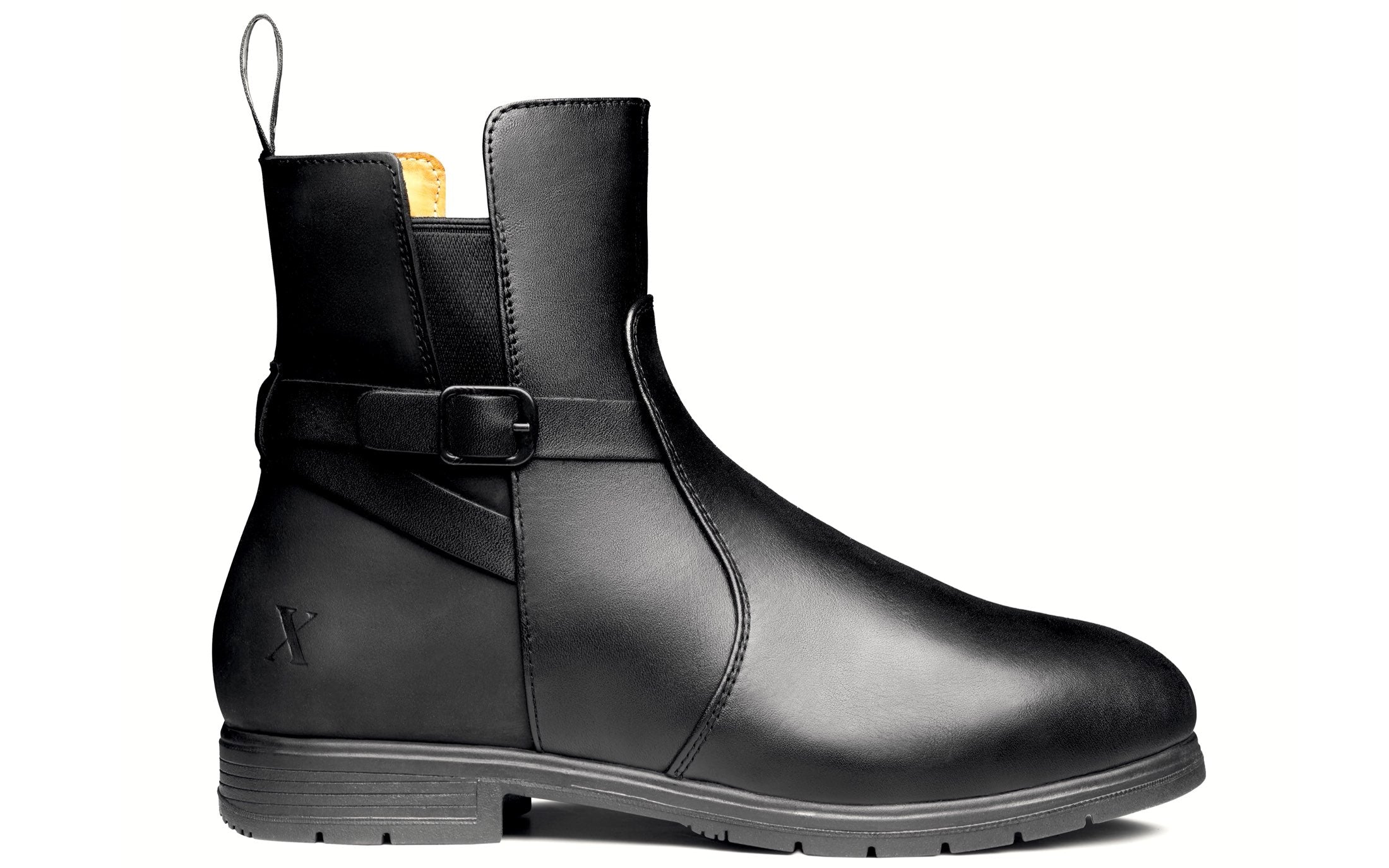

What a met guard protects
Your metatarsals (the long bones across the top of your foot) are exposed to falling and rolling objects that a toe cap doesn’t cover. An Mt 75 guard shields them, important in foundries, heavy manufacturing, and material handling.
Built for a woman’s foot
Our Met Guards deliver that extra protection on a women’s last, so the boot fits and the guard sits where it should.
Internal or External Met-Guards
Generally no, because both external and internal met guards are certified to the same safety standards. We use shear-thickening technology in our internal met guards so that the open-cell foam remains soft and flexible during normal movement, but its molecules instantly lock together upon impact to form a rigid, energy-absorbing shield.
FAQ
What does a metatarsal guard do?
It protects the bones on top of your foot from falling and rolling objects - protection a toe cap alone doesn't provide.
What environments are Metatarsal Guard boots used in?
Met Guard protection is typically used in high-risk settings like foundries, heavy manufacturing, and construction, where both the toes and the metatarsal bones need protection beyond a standard safety toe.
Is the met guard comfortable?
Yes! Most women don’t report feeling it and the Fusion is built on our best-selling Omega platform. The metatarsal guard is integrated into the boot's design and the boot is engineered on a women's last for a secure, comfortable fit.
What does Mt 75 mean?
In ASTM safety footwear terminology, MT 75 refers to a metatarsal guard rating where the boot is designed to provide metatarsal impact protection tested to approximately 75 foot-pounds of force.
Still have questions? Read our full FAQ →
Xena Gear