
Static Dissipative (SD / ESD)
Drain the static.
Protect the electronics.
What SD/ESD footwear does, why it’s the opposite of EH, and who needs it.
Shop SD footwearThe basics
What is SD / ESD footwear?
Static-dissipative (SD) footwear — often called ESD — drains static electricity from your body to the floor in a slow, controlled way. Under ASTM F2413, SD footwear keeps electrical resistance inside a defined range: low enough to bleed off static charge, high enough to still offer some protection. The payoff: safer electronics and far fewer static-shock zaps.
Don’t mix them up
SD vs EH — don’t mix them up
They look similar on a spec sheet and do opposite jobs:

SD — conducts
Lets a small, controlled amount of static flow away from you. For electronics environments.

EH — insulates
Blocks electricity from a live circuit reaching you. For electrical work.
Wear the wrong one for your hazard and you defeat the purpose — so check your employer’s requirement. Need the other side? Read EH-rated footwear.
Who it’s for
Who needs SD footwear?
Electronics and semiconductor manufacturing, labs, clean rooms, telecom, and any static-controlled (EPA) area. Bonus: SD shoes are perfectly comfortable for everyday wear — the static-dissipative property doesn’t change how they feel on your feet.

The lineup
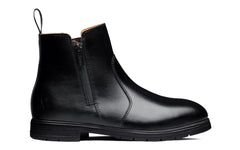
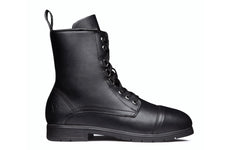
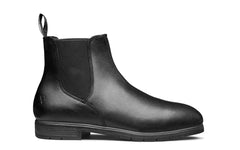
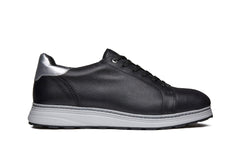
Xena SD-rated styles
The Valence, and the Astra in White Gold and Charcoal Gray, are SD-rated — all ASTM F2413 certified and engineered on a women’s last. Shop women’s SD/ESD footwear.