
Safety Standards, Decoded
ASTM F2413 & OSHA,
Simply Explained
What the standard actually tests, what OSHA really requires, and how to read the stamp inside your boot.
Shop certified stylesThe standard
What is ASTM F2413?
ASTM F2413 is the U.S. standard that defines how protective footwear is tested and labeled. It sets the minimum performance bar for safety toe caps and for add-on protections like electrical hazard and puncture resistance. When a boot is “ASTM F2413 certified,” it has passed standardized lab testing for those features — not a marketing claim, a tested one.
OSHA, plainly
Does OSHA require steel toe boots?
Short answer: no. OSHA doesn’t test footwear and doesn’t demand steel specifically. It requires employers to provide protective footwear wherever there’s a risk of foot injury, and it leans on ASTM F2413 as the benchmark. Steel, composite, and alloy toes all satisfy the standard when they’re certified. Bottom line: follow your employer’s PPE policy — then pick the toe that fits your job and your feet.
Read the stamp
How to read the ASTM marking
Inside a certified boot you’ll find a marking like F I/75 C/75 EH. Here’s what each piece is telling you:
-
Findicates whether it is a female “F” or male “M” style
-
I/75Impact resistance at 75 foot-pounds
-
C/75Compression resistance at 2,500 lbs
-
EHElectrical hazard protection
-
SDStatic dissipative — drains static charge safely
-
PRPuncture resistant sole
-
MtMetatarsal guard for top-of-foot protection
-
WPWaterproof protection
See the full meaning of each add-on on our EH and SD/ESD guides.

The Xena standard
How Xena meets the standard
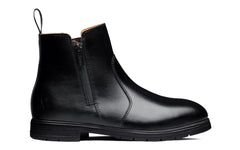
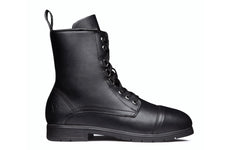
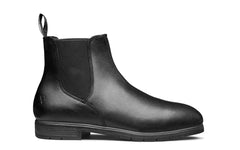
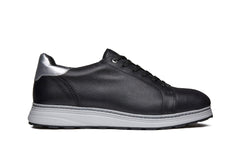
Every Xena style is ASTM F2413 certified (I/75 C/75) and engineered on a women’s last. Need paperwork for your employer? We’re happy to send certification documentation on request. Go deeper on EH-rated footwear and SD/ESD footwear, or shop women’s safety shoes.