
Electrical Hazard (EH)
A layer between you
and a live circuit.
What EH protection does, what it doesn’t, and who needs it — in plain English.
Shop EH footwearThe basics
What is EH (electrical hazard) footwear?
EH-rated footwear insulates you against accidental contact with live electrical circuits. To earn the rating under ASTM F2413, the soles and heels are tested to withstand 18,000 volts at 60 Hz for one minute with no current flow or leakage above 1.0 milliampere, under dry conditions. Think of it as a secondary layer of protection — backup, not a substitute for safe work practices.
Don’t mix them up
EH vs SD — they’re opposites
This is the one everyone gets backwards. They do opposite jobs:

EH — insulates
Blocks electricity from passing through your feet. For working around live circuits.

SD — dissipates
Drains static charge from your body in a controlled way. For protecting sensitive electronics.
Work around energized equipment? Choose EH. Handle electronics? Choose SD.
Who it’s for
Who needs EH footwear?
Electricians, utility and lineworkers, maintenance and HVAC techs — anyone who could contact energized equipment. Plenty of manufacturing and construction employers require EH as part of their PPE policy, so check yours before you buy.
Protection drops when footwear is wet, worn, or contaminated — and it never replaces lockout/tagout or other electrical-safety procedures. Treat it as the last line, not the only one.

The lineup
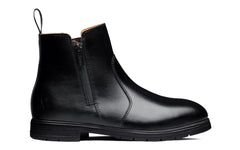
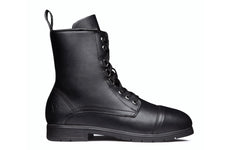
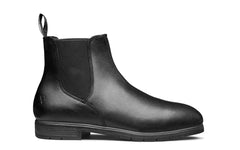
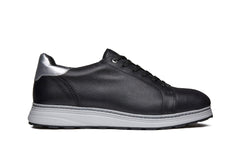
Xena EH-rated styles
The Omega, Spice, Nova, Fusion, Horizon, Rogue, and the EH Astra all carry EH protection — every one ASTM F2413 certified and built on a women’s last. Shop women’s EH safety footwear.