Eric Olson & ASTM Testing of Xena Footwear
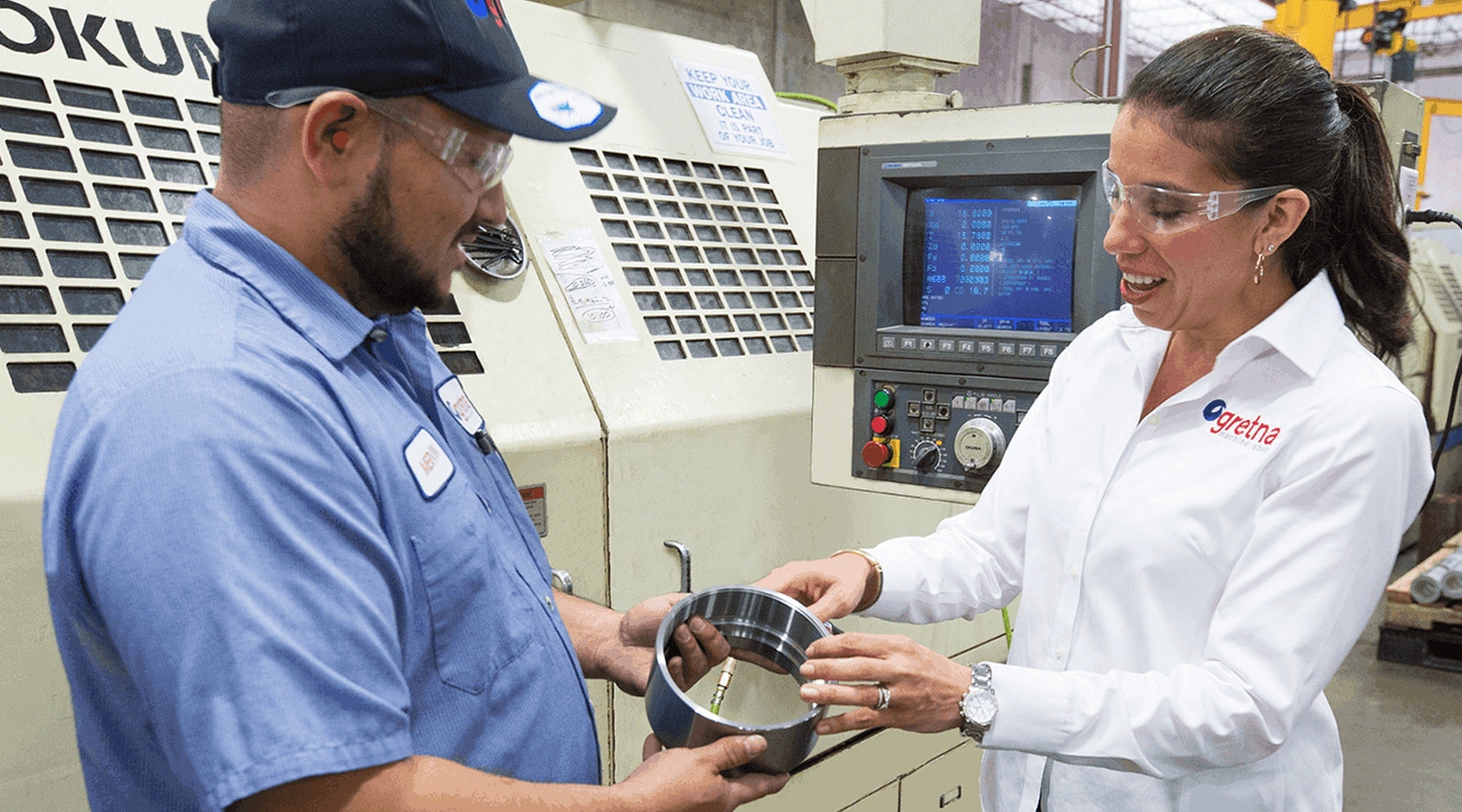
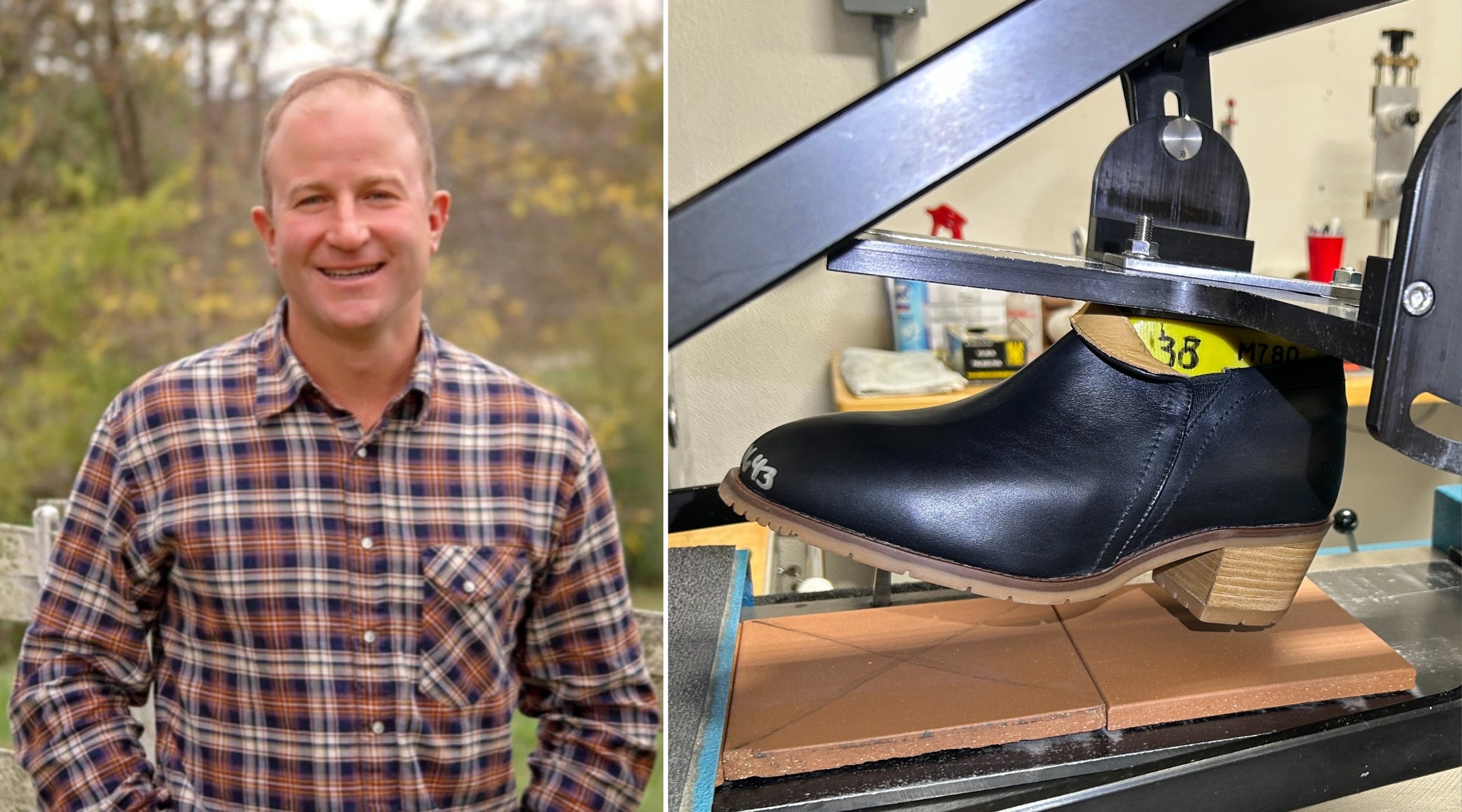
In this Q&A, we sit down with Eric Olson, owner of Precision Testing—one of the ASTM-accredited labs that Xena Workwear partners with to ensure Xena safety footwear performs safely in the real world. Precision is deeply embedded in the ASTM standards process, helping shape, validate, and advance the very tests that define safety footwear today. Our partnership with Eric and his team is a critical part of our business, providing the independent, third-party certification that underpins trust for employers and the women wearing our footwear. Through this work, Precision is helping more women access properly certified, high-quality safety shoes—raising the bar for protection, not just compliance.
How did you get into ASTM safety footwear testing?
"I met Suzanne Piispanen in 2020 and was impressed by the niche she had built within the testing space, as well as the lab’s strong reputation. A key part of that reputation comes from involvement with ASTM.
ASTM participation allows us to contribute directly to how safety testing methods are created and applied. Precision Testing has been involved in interlaboratory studies to validate testing methods, has published a test method, and today I serve as co-chair of the ASTM footwear committee.
This level of involvement keeps us at the forefront of safety footwear testing."
What is ASTM, and how is it different from OSHA?
"ASTM develops safety standards. OSHA enforces workplace safety.
ASTM is really an industry support group. Its members are stakeholders in the entire supply chain. They work in a collaborative environment to create standards that make the entire industry safer and improve the quality of the product. If you think about from the building industry perspective, ASTM creates standards for nails, insulation, roofing, etc.
The standards ensure quality products are used in constructing a safer building.
The same goes for footwear. ASTM is an organization that develops safety standards and OSHA is an enforcement organization that uses ASTM standards as a tool to hold companies accountable for meeting a safety standard to provide a safe product/workplace.
In simple terms:
- ASTM defines what “safe” means
- OSHA ensures companies follow those standards"
What tests are required for safety footwear?
"The primary ASTM safety footwear standards are ASTM F2412, ASTM F2413, and ASTM F2892.
These standards define the core performance requirements for both safety toe and soft toe footwear. Key tests include:
- Impact resistance
- Compression resistance
- Electrical hazard protection (EH)
- Static dissipative (SD) and conductive properties
- Metatarsal protection
- Puncture resistance
- Slip resistance (recently added)
These tests ensure that footwear labeled with safety features actually performs under real-world hazard conditions."
Why is third-party testing important for safety footwear?
"Third-party testing ensures credibility, reduces liability, and protects workers.
Independent laboratory testing provides unbiased verification that footwear meets ASTM standards. This benefits:
- Manufacturers by reducing liability risk
- Employers by supporting OSHA compliance
- Workers by ensuring their footwear has been objectively tested
Without third-party validation, safety claims may not reflect real performance."

What are common misconceptions about safety footwear?
"Not all “safety” or “slip-resistant” shoes are ASTM-certified.
The biggest misconception from workers is that they see a boot that says safety or slip resistant and they believe they are protected. There are many shoes available on the market that label their shoes this way, but they have not met performance requirements and are not ASTM certified.
Employers are generally aware of certification requirements, but workers often prioritize comfort, price, or style over verified safety. Checking for ASTM-compliant labeling is critical."
What does OSHA require for safety footwear?
"OSHA requires footwear to meet ASTM standards—but does not require a certificate.
One way they enforce this is to check the labels on the footwear and associated testing reports to prove the testing was performed and the footwear meets the performance requirements. ASTM F2413 provides the performance requirements footwear must meet to be safe in certain environments. OSHA does not require a certificate, but it does require footwear to meet the performance requirement."
Why is women-specific safety footwear important?
"Proper fit is critical to safety performance—not just comfort.
Safety performance is inseparable from fit. Downsizing men’s boots does not account for differences in women’s foot shape, proportions, and biomechanics.
Poor fit can compromise:
- Impact protection
- Slip resistance
- Stability
Women-specific safety footwear is engineered so protective components are correctly positioned. This ensures the footwear performs as intended in real-world conditions—not just in lab testing.
Closing this standards gap isn’t about comfort or aesthetics—it is about delivering the same level of validated protection."

What is the future of safety footwear testing?
"New materials and technologies are driving more advanced testing methods.
As manufacturers innovate with new materials, ASTM testing methods must evolve. Current initiatives include:
- New bond strength and dry-time testing methods
- Updated water resistance performance standards
- Development of an improved metatarsal protection test
We are collaborating with the University of Waterloo’s mechanical engineering department to design more accurate testing systems, including the use of cadavers and 3D-printed foot models.
The goal is to create testing methods that better reflect real-world conditions and improve safety outcomes."
Key Takeaway
ASTM certification is the foundation of safety footwear performance—and third-party testing ensures those standards are real, not just claims.
For employers and workers alike, choosing ASTM-compliant, properly fitted footwear is essential to achieving true protection. For Xena, partnering with 3rd party labs like Precision ensures that we are keeping women safe on the job.
FAQs About Safety Footwear Standards
What does ASTM-certified footwear mean?
ASTM-certified footwear has been tested to meet defined safety standards for hazards like impact, compression, and electrical exposure.
Does OSHA require ASTM certification?
OSHA requires footwear to meet ASTM standards, but not a formal certificate. Employers must verify compliance through labeling and testing documentation.
How do I know if my work boots are ASTM compliant?
Check the inside label for ASTM codes (such as ASTM F2413) and markings that indicate protection types like EH (electrical hazard) or PR (puncture resistant).
Are “slip-resistant” shoes always certified?
No. Many shoes are labeled “slip-resistant” without meeting ASTM testing standards. Certified shoes will have an "SR" or "SRO" printed on the tongue certification label and even then it all depends on your environment. Shoes certified as SR won't necessarily perform in a restaurant / hospitality setting with oily floors and both SR and SRO are unlikely to perform in icy conditions unless specified.
Why does proper fit matter for safety footwear?
Poor fit can reduce protection by misaligning safety features like toe caps and stability structures, increasing the risk of injury.